



Asia In News
Pakistan-Linked Mosque in Japan Faces Legal Scrutiny After Tokyo Flags Construction Violations
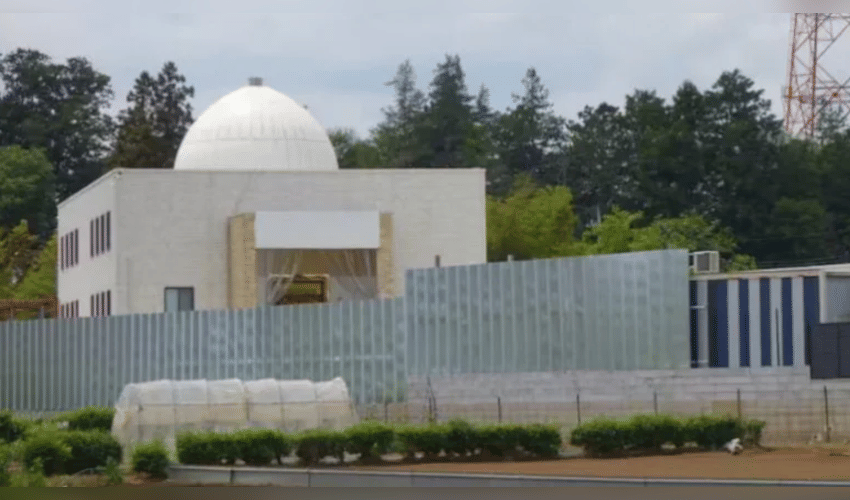

Tokyo: A mosque inaugurated earlier this year in Japan with the presence of Pakistan’s Ambassador Abdul Hameed has come under legal scrutiny after Japanese authorities said the structure was built without the required permissions under local laws. The mosque, located in Kawagoe city in Saitama Prefecture near Tokyo, was reportedly constructed in an urban development control zone where construction activities are heavily restricted unless prior approval is granted by local authorities. Officials from Kawagoe City said the project did not receive the necessary permissions mandated under Japan’s City Planning Act.
According to reports, the mosque was inaugurated in April this year in the presence of Pakistan’s envoy to Japan. The matter later escalated after local authorities confirmed that the building had been constructed without formal clearance. The controversy has prompted Pakistan’s embassy in Tokyo to issue a clarification distancing itself from any unauthorized construction activities. In a public statement, the embassy urged Pakistani nationals residing in Japan to strictly follow Japanese laws, particularly while constructing places of worship.
The embassy also stated that Ambassador Abdul Hameed attended the inauguration ceremony after being informed that all legal approvals required under Japanese regulations had already been secured. Japanese authorities are now reviewing possible administrative action against the structure. Reports indicate that requests seeking demolition of the mosque have also been submitted for consideration.
Local officials said the land where the mosque stands is classified as protected forest or restricted development land, making unauthorized construction a serious violation under municipal regulations. The issue has sparked discussion both in Japan and Pakistan, with many observers viewing it as a sensitive matter involving religion, local governance, and diplomatic oversight. Analysts note that Japan is known for strict enforcement of zoning and construction laws, regardless of the nature of the project involved.
The development has also drawn attention to Japan’s growing Muslim community, which has expanded steadily over the last two decades due to immigration, foreign workers, and international students. Alongside this demographic shift, the number of mosques and Islamic cultural centers across Japan has also increased. However, experts say compliance with local laws remains crucial in a country where civic regulations are enforced rigorously. Kawagoe authorities continue to examine the case, while the future of the mosque remains uncertain.
Disclaimer: This image is taken from NDTV.



