



News
Pakistan in a Bind: Domestic Fury Over Iran Puts US Ties to the Test
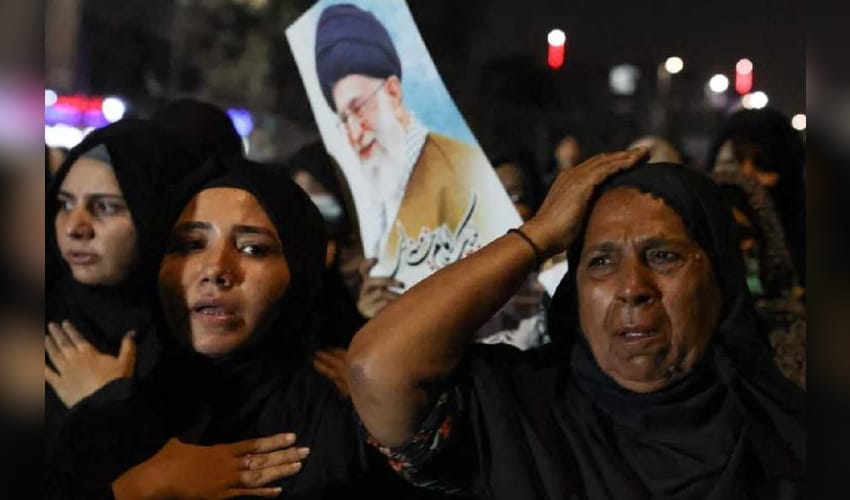

Pakistan is confronting mounting domestic unrest and diplomatic strain after widespread protests erupted in response to the reported killing of Iran’s Supreme Leader, Ayatollah Ali Khamenei, in a joint military operation by the United States and Israel. The developments have placed Islamabad in a precarious position, forcing it to balance rising sectarian anger at home with its strategic partnership with Washington and close ties to Gulf allies.
Demonstrations broke out across major cities including Karachi, Islamabad, Lahore and in parts of Gilgit-Baltistan. Many of the rallies were led by members of Pakistan’s sizeable Shi’ite Muslim community, which is among the largest in the world. Protesters expressed outrage over the killing of Khamenei, whom they regard as a revered religious figure. In Karachi, hundreds of demonstrators reportedly attempted to storm the United States Consulate, breaching security barriers and clashing with law enforcement personnel. At least 10 to 16 people were reported killed and dozens injured when security forces opened fire to disperse the crowd. The violence prompted heightened security measures around diplomatic missions, and non-essential foreign staff were advised to leave certain areas.
Unrest also spread to northern regions such as Gilgit and Skardu, where clashes between protesters and security forces left additional casualties. Authorities deployed troops and imposed curfews in parts of Gilgit-Baltistan in an effort to restore order.
Domestic Anger Versus Strategic Interests
Pakistan’s leadership now finds itself navigating intense pressure on multiple fronts. On the domestic side, anti-American and anti-Israeli sentiment has surged, with clerics and political groups calling for continued demonstrations. The situation risks deepening sectarian tensions and destabilising already fragile internal security conditions.
Internationally, however, Pakistan remains economically dependent on Western financial institutions and maintains important security ties with the United States. Islamabad has also strengthened defence cooperation with Saudi Arabia in recent years, adding another layer of diplomatic complexity as regional rivalries sharpen.
Government statements have reflected this balancing act. Officials condemned the escalation of violence and expressed solidarity with the broader Muslim world, but avoided directly naming the United States in their initial responses. Analysts say the cautious language illustrates Islamabad’s attempt to manage public outrage without jeopardising critical diplomatic and economic relationships.
A Test of Policy and Stability
The crisis highlights the limitations of Pakistan’s long-standing strategy of maintaining flexible alliances among competing global powers. As tensions escalate in the Middle East, Islamabad faces the challenge of preventing external conflicts from igniting deeper unrest within its own borders.
With protests continuing and regional uncertainty intensifying, Pakistan’s government must carefully navigate between placating domestic sentiment and safeguarding its strategic partnerships a delicate diplomatic tightrope with significant consequences for both stability and foreign policy.



