



News
Pakistan Fuel Price Shock Turns Life Saving Drugs Into Luxury
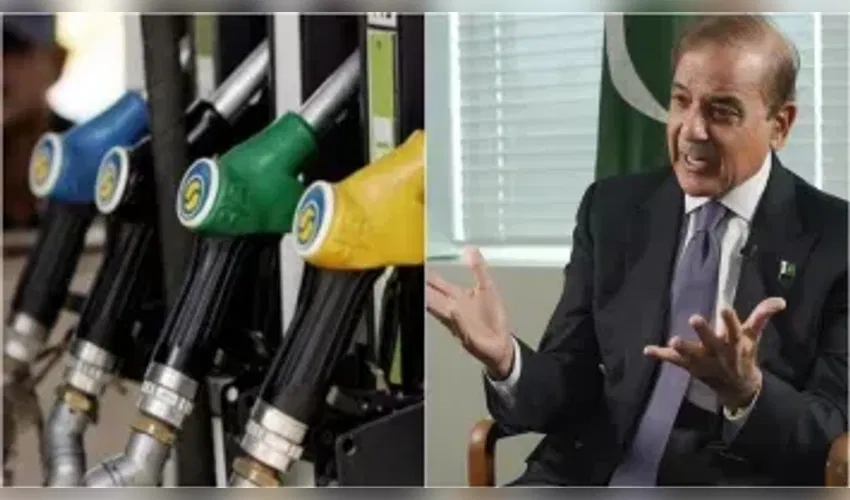

A sharp rise in fuel prices in Pakistan is now triggering a cascading crisis in the healthcare sector, with life saving medicines increasingly becoming unaffordable for large sections of the population. The surge in fuel costs has significantly raised transportation and logistics expenses, directly impacting the price of pharmaceutical supplies across the country. Distributors and chemists report that higher diesel and petrol rates have driven up the cost of delivering essential drugs, particularly in remote and rural areas.
As a result, patients suffering from chronic illnesses such as diabetes, heart disease, and cancer are facing growing difficulty in accessing regular medication. Pharmacies in several regions have reported shortages of critical drugs, while others say prices have risen beyond the reach of low and middle income households. The crisis has exposed deep structural weaknesses in Pakistan’s healthcare and economic systems. With the country heavily dependent on imported raw materials for its pharmaceutical industry, rising fuel prices have compounded existing cost pressures linked to currency depreciation and inflation.
Healthcare experts warn that the situation could lead to serious public health consequences if not addressed urgently. Interruptions in treatment for chronic diseases may result in worsening health outcomes and increased mortality rates. Critics argue that the government failure to stabilize fuel prices and control inflation has had a direct human cost, turning essential medicines into what many now describe as a “luxury item.” The lack of effective price regulation and subsidies for critical drugs has further intensified the burden on ordinary citizens.
The issue is particularly acute in economically vulnerable regions, where access to healthcare was already limited. Rising transport costs have made it harder for medical supplies to reach these areas, widening the gap in healthcare availability. Observers say the crisis highlights a broader governance challenge, where economic instability is increasingly translating into humanitarian stress. With inflation continuing to rise and purchasing power declining, more Pakistanis are being pushed to choose between basic necessities and essential medical treatment.
Unless immediate corrective measures are taken, analysts warn that the fuel price shock could evolve into a full blown healthcare emergency, further straining an already fragile system and deepening public hardship.
Disclaimer : This image is taken from India TV.



