



News
Pakistan Faces Fuel Crunch as Hormuz Crisis Leaves Country With Just 26 Days of Supply
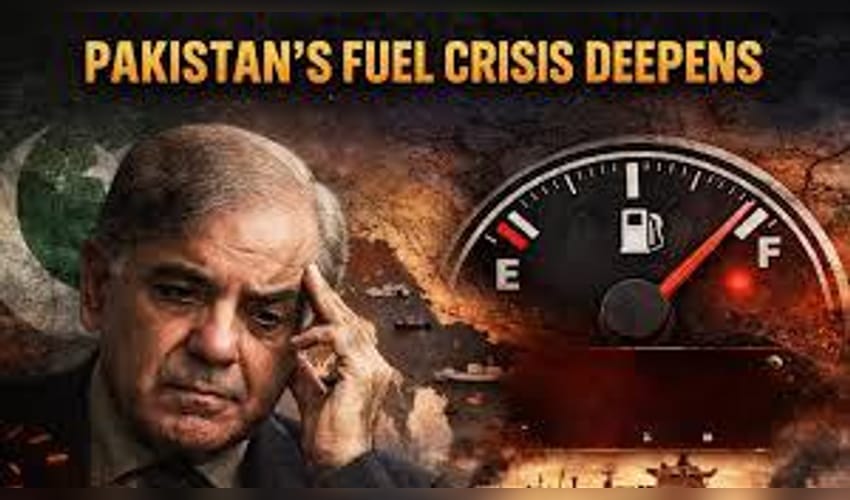

Pakistan is staring at a potential fuel crisis as disruptions in the Strait of Hormuz triggered by the ongoing conflict involving Iranhave sharply reduced the flow of oil shipments to the region. Government officials warn that the country currently has fuel reserves that may last only about 26 days, prompting authorities to consider emergency measures to conserve energy. According to officials, Pakistan’s petrol and diesel reserves stand at just over 500,000 tonnes each, enough to meet national demand for roughly three to four weeks. Crude oil supplies are even more limited, with stocks estimated to last around 10 days, while liquefied petroleum gas (LPG) reserves could run out in about two weeks if the supply disruption continues.
The crisis has been triggered by escalating tensions in the Middle East that have disrupted shipping through the Strait of Hormuz, one of the world’s most important energy corridors. Nearly one-fifth of global oil shipments pass through this narrow waterway, making any disruption there a major threat to global energy markets and oil-importing countries like Pakistan. In response to the situation, the Pakistani government is considering several fuel-saving measures similar to those used during the COVID-19 pandemic. These include mandatory work-from-home arrangements for government and private offices, encouraging online classes for schools and universities, and other steps aimed at reducing transportation and fuel consumption.
Authorities are also exploring alternative supply routes to secure fuel shipments. Pakistan has reportedly issued import tenders for petrol and diesel from suppliers outside the Strait of Hormuz and has approached Saudi Arabia to route shipments through alternative channels such as the Red Sea.
The government is also considering weekly revisions of petroleum prices to help oil marketing companies cope with rising import costs, higher insurance premiums and increasing freight charges for tankers operating in the volatile region.
Analysts warn that if the disruption in the Strait of Hormuz continues, Pakistan could face rising fuel prices, supply shortages and increased economic pressure. As the country relies heavily on imported energy, prolonged instability in the Middle East could have serious consequences for its already fragile economy and energy security.
This image is taken from times now news.



