



Economy
Pakistan Faces 4.8 Billion Dollars Debt Repayment Test as Economic Pressures Mount
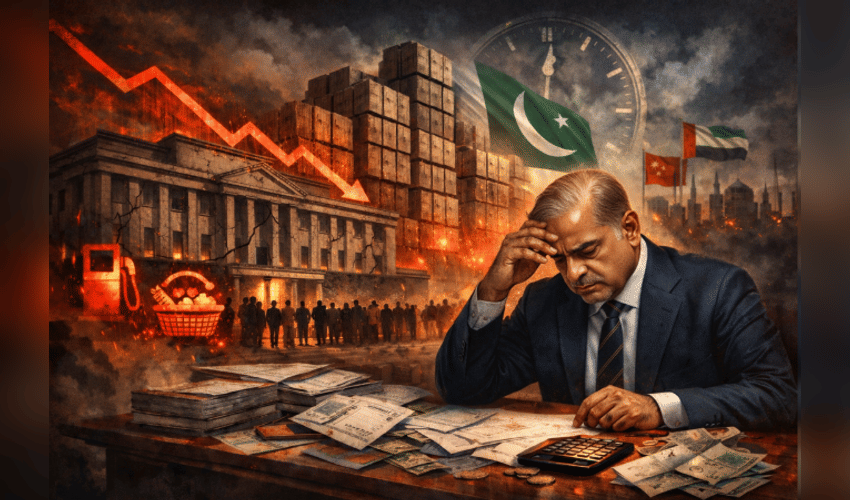

Pakistan is bracing for a major financial challenge as it prepares to repay nearly $4.8 billion in external debt obligations over the coming weeks, raising concerns about pressure on its already strained economy. According to recent reports, a significant portion of this repayment—around $3.5 billion—is owed to the United Arab Emirates (UAE) under multiple financial arrangements.
The repayment schedule includes the return of short-term deposits held with the State Bank of Pakistan, along with the maturity of a $1.3 billion Eurobond. These obligations are expected to test the country’s foreign exchange reserves and overall financial stability. Pakistan’s foreign reserves, which stand at relatively modest levels, are likely to face significant depletion due to these outflows. Analysts warn that such large repayments in a short span could impact the value of the Pakistani rupee, increase inflationary pressures, and complicate ongoing engagements with the International Monetary Fund.
The situation has been further complicated by changes in lending patterns from key allies. In the past, countries like the UAE routinely rolled over loans for longer periods. However, since late 2025, these rollovers have been shortened, with lenders increasingly seeking timely repayments amid evolving geopolitical and economic conditions. Despite the mounting pressure, Pakistan’s government has described the repayments as routine financial transactions carried out under existing agreements. Officials have also indicated that the country is seeking additional financial support from friendly nations to manage its external financing needs.
Economists believe that while meeting these obligations may help maintain Pakistan’s credibility in global financial markets, it also underscores the country’s continued dependence on external borrowing and short-term financial support. The coming weeks are expected to be crucial as Pakistan navigates this repayment cycle, with experts warning that without structural economic reforms and increased foreign inflows, similar crises could persist in the future.



