



World
Pakistan Dismisses T20 World Cup Boycott Rumours After Naqvi Meets PM Sharif, Focuses on ICC Relations
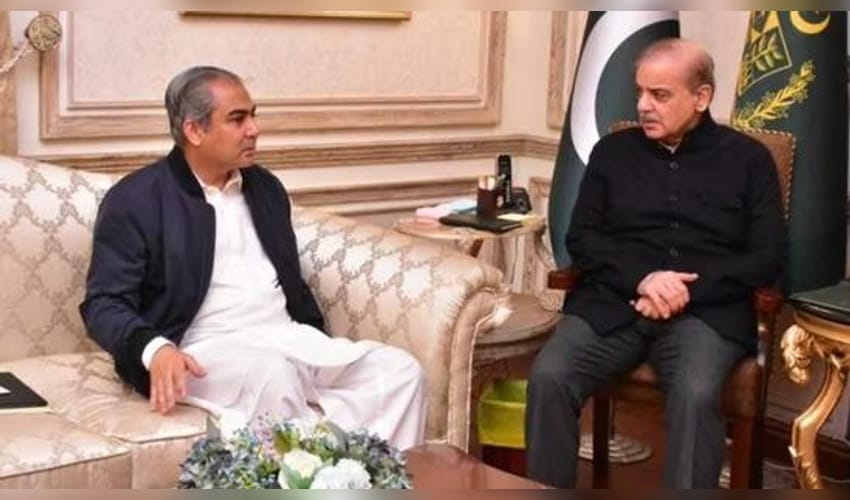

Pakistan Cricket Board chairman Mohsin Naqvi has sought to calm growing uncertainty over the country’s participation in the ICC Men’s T20 World Cup, dismissing boycott talk after a key meeting with Prime Minister Shehbaz Sharif. In a session held in Islamabad, Naqvi conveyed that Pakistan’s priority is to ensure a stable future for its cricket and to preserve strong relations with the International Cricket Council and fellow member boards. According to officials familiar with the meeting, Naqvi urged that all options being considered should protect Pakistan cricket’s long-term interests and avoid further damage to the country’s standing in international sport. The PCB chairman made clear that speculation about completely withdrawing from the tournament or skipping Pakistan’s high-profile clash against India had no firm basis, and that such talk was being exaggerated by sections of the media.
Naqvi told the prime minister that the board is awaiting a final decision from the federal government, with clarification on Pakistan’s participation expected by Friday or the following Monday. While discussions have included ways to express solidarity with Bangladesh whose removal from the World Cup following venue disputes ignited regional controversy Naqvi stressed that Pakistan must also consider the broader diplomatic and sporting ramifications of any action.
Observers inside Pakistan and abroad have noted that criticism of the ICC’s handling of the Bangladesh situation has at times veered into grandstanding, risking isolation from the global cricket community. Naqvi’s public messaging after the meeting reflected an attempt to rein in extreme talk and reaffirm Pakistan’s commitment to fulfilling its obligations to the sport’s governing body.
The controversy began when Bangladesh was replaced in the tournament after refusing to play matches in India, citing security concerns. Pakistan was the only other major board to publicly side with Bangladesh’s position, prompting speculation that it might also take a hard line or even boycott the event. Naqvi was careful to emphasise that the Pakistani government has maintained that politics should not be mixed with sport, a position he highlighted in briefing Sharif, adding that there is no official restriction on India playing Pakistan in ICC events at neutral venues. Despite these reassurances, critics within Pakistan’s cricket establishment have warned that even the suggestion of boycott or protest carries risks. Former players and administrators have cautioned that damaging relations with the ICC could lead to reduced match opportunities, sanctions, and financial losses for Pakistan cricket.
Naqvi’s remarks after the meeting with Sharif appear aimed at striking a balance: showing solidarity with Bangladesh while avoiding actions that could hurt Pakistan’s own cricketing prospects. Whether this pragmatic stance will satisfy hardliners remains to be seen, but for now it signals a retreat from earlier, more confrontational rhetoric. As the T20 World Cup approaches, Pakistan’s cricket leadership is under pressure to resolve its stance, project unity, and avoid further diplomatic embarrassment a task made all the more urgent by months of controversy and public scrutiny.
This image is taken from Hindustan Times.



