



Asia In News
Pakistan Defence Minister Defends Crackdown on PoK Protesters, Calls Them 'Enemies Like India'
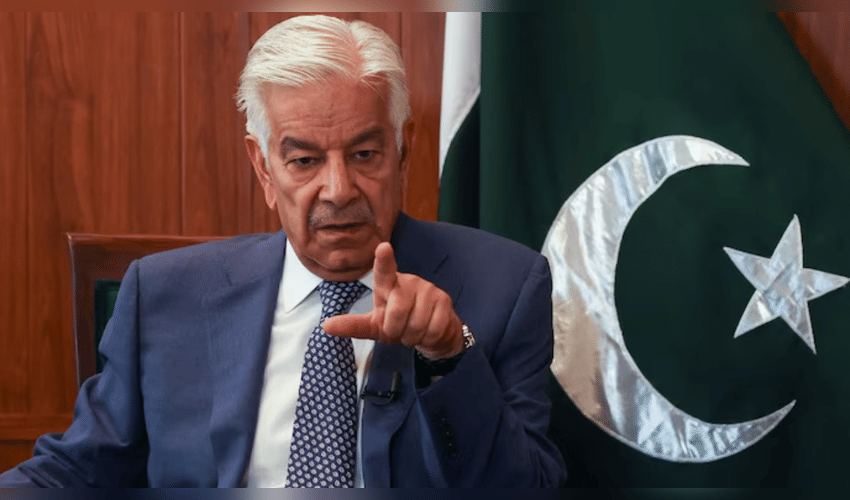

Pakistan's Defence Minister Khawaja Asif has sparked fresh controversy after defending the security forces' deadly crackdown on protesters in Pakistan-occupied Kashmir (PoK), saying those demonstrating against Islamabad should be viewed as "enemies like India." The remarks came as violence in the region intensified, with reports claiming at least 32 protesters were killed during security operations in Rawalakot over the past two days.
The latest violence is part of a broader wave of unrest that has gripped Pakistan-occupied Kashmir since early June. Reports indicate that more than 90 people have died during the ongoing protests and subsequent security operations, making it one of the deadliest periods in the region in recent years. According to reports, many of those killed were linked to the Joint Awami Action Committee (JAAC), a group that has been at the forefront of protests against the Pakistani administration. The organisation has accused Islamabad of suppressing dissent and violating the rights of local residents, while Pakistani authorities have taken a hard line against its activities.
Videos shared on social media appear to show armed security personnel firing at crowds and removing bodies from protest sites. While the footage has been widely circulated, independent verification of all videos remains limited. Protest organisers have alleged that security forces used excessive force against demonstrators, claims that have further intensified concerns over the handling of the unrest.
The demonstrations in PoK stem from long-standing grievances, with residents raising concerns over governance, economic challenges, political freedoms and alleged human rights abuses. Protest leaders say the movement represents local demands for justice and accountability rather than any external agenda.
Asif's latest remarks are expected to add another layer of tension to the already strained situation. Analysts believe that branding protesters as enemies could make dialogue more difficult at a time when calls for restraint and an impartial investigation into the reported killings are growing louder. The developments have also attracted international attention, with observers closely monitoring the deteriorating security situation in Pakistan-occupied Kashmir. Whether Islamabad opts for continued security measures or political engagement is likely to shape the next phase of the crisis.



