



News
Pakistan Caught in Strategic Bind as Iran US Ceasefire Falters Hormuz Tensions Rise
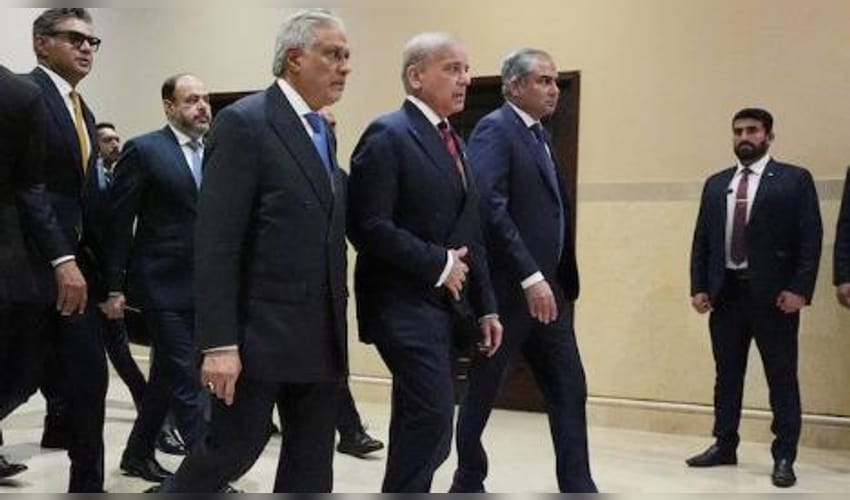

Pakistan is facing mounting geopolitical and economic pressure as efforts to mediate between Iran and the United States appear to be collapsing amid rising tensions in the Strait of Hormuz and uncertainty over a fragile ceasefire.
With a US Iran ceasefire set to expire on April 22 hopes for a second round of peace talks in Islamabad are rapidly fading. Iran has shown little interest in participating in further negotiations placing Pakistan in an awkward diplomatic position after having earlier brokered initial talks between the two sides.
Talks on Brink of Collapse
The proposed Islamabad dialogue seen as crucial to extending the ceasefire is now on the verge of collapse. Tehran has accused Washington of making excessive and inconsistent demands while ongoing US military actions including a naval blockade and seizure of an Iranian vessel have deepened mistrust.
The United States had planned to send negotiators to Pakistan but Iran refusal to engage has cast serious doubt over the future of diplomatic efforts.
Hormuz Flashpoint Escalates
Tensions around the Strait of Hormuz a critical global oil chokepoint have intensified dramatically. Recent incidents including the seizure of an Iranian cargo ship by US forces and reports of gunfire involving commercial vessels have disrupted shipping and pushed oil prices higher.
The waterway through which roughly one fifth of global oil supply passes is now operating under severe strain raising fears of a broader economic shock if the ceasefire collapses.
Pakistan Diplomatic Gamble
Pakistan had positioned itself as a key mediator in the conflict hosting earlier negotiations and attempting to leverage its ties with both Tehran and Washington. However the current deadlock threatens to undermine Islamabad diplomatic credibility.
The country also faces serious economic risks. Disruptions in Gulf oil supplies on which Pakistan heavily depends could worsen its already fragile financial situation. Previous tensions in the region have already triggered energy shortages and emergency economic measures within the country.
No Windfall from Crisis
Unlike past global conflicts where Pakistan benefitted strategically or economically analysts suggest the ongoing crisis offers little upside. Instead Islamabad risks being squeezed between competing powers while dealing with rising energy costs declining investor confidence and regional instability.
Uncertain Road Ahead
With the ceasefire hanging by a thread and diplomatic channels weakening the coming days will be critical. A failure to revive talks could lead to renewed hostilities further disruption in global energy markets and deeper economic challenges for countries like Pakistan caught in the crossfire.



