



News
Pakistan: Budget Blow Triggers Cotton Market Collapse as Industry Slams Government Inaction
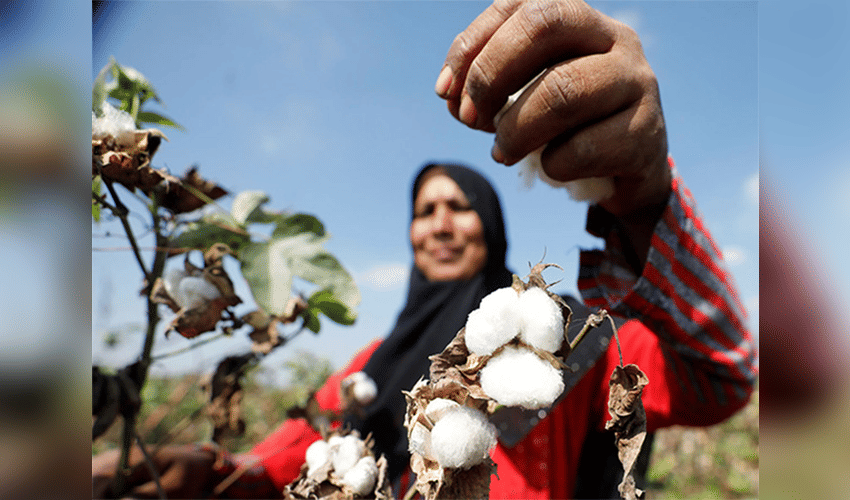

Pakistan's cotton sector is facing growing uncertainty after recent budget measures sparked sharp market reactions, with industry stakeholders warning that the country's already struggling textile supply chain could face further disruption if corrective action is not taken.
Traders, ginners, and textile manufacturers have expressed concern over what they describe as the government's failure to adequately address long-standing challenges facing the cotton industry. Market participants report that confusion surrounding taxation policies, import regulations, and incentives has weakened confidence, contributing to declining cotton prices and reduced trading activity across major agricultural markets.
Industry representatives argue that the latest budget failed to provide meaningful relief to cotton growers who have been battling rising input costs, climate-related challenges, and shrinking profit margins. Many farmers are reportedly reconsidering cotton cultivation in favor of alternative crops that offer more stable returns.
The textile sector, which remains one of Pakistan's largest export industries, has also voiced frustration. Manufacturers warn that inconsistent policies risk undermining domestic cotton production at a time when the country is already dependent on imported raw materials to meet industrial demand.
Market analysts note that uncertainty often leads buyers and sellers to delay transactions, creating downward pressure on prices and reducing overall market liquidity. In recent weeks, cotton trading volumes have reportedly weakened as participants await greater clarity regarding the government's economic and agricultural strategy.
Industry associations have called for immediate consultations between policymakers, farmers, traders, and textile producers. Their demands include targeted support for cotton cultivation, improved access to agricultural financing, reduced production costs, and a clear long-term roadmap to revive domestic cotton output.
Critics argue that the absence of a comprehensive cotton revival plan could have wider economic consequences. Cotton remains a critical component of Pakistan's export economy, supporting millions of jobs across farming, ginning, spinning, weaving, and garment manufacturing.
Agricultural experts warn that continued declines in cotton production could increase reliance on imports, putting additional pressure on foreign exchange reserves and raising production costs for exporters. They stress that restoring confidence in the sector requires consistent policies rather than short-term interventions.
Government officials, meanwhile, maintain that broader fiscal reforms are necessary to stabilize the economy and improve revenue collection. However, industry groups contend that the current approach risks damaging one of the country's most important agricultural and industrial sectors.
As the debate continues, market participants are closely watching for policy adjustments that could restore confidence and prevent further deterioration in the cotton market. For many stakeholders, the coming months will determine whether Pakistan's cotton industry can recover from its current challenges or face a prolonged period of decline.
Disclaimer: This image is taken from ANI.



