



News
Pakistan Army Chief Asim Munir Heads To Tehran As Islamabad Pushes US Iran Mediation Role
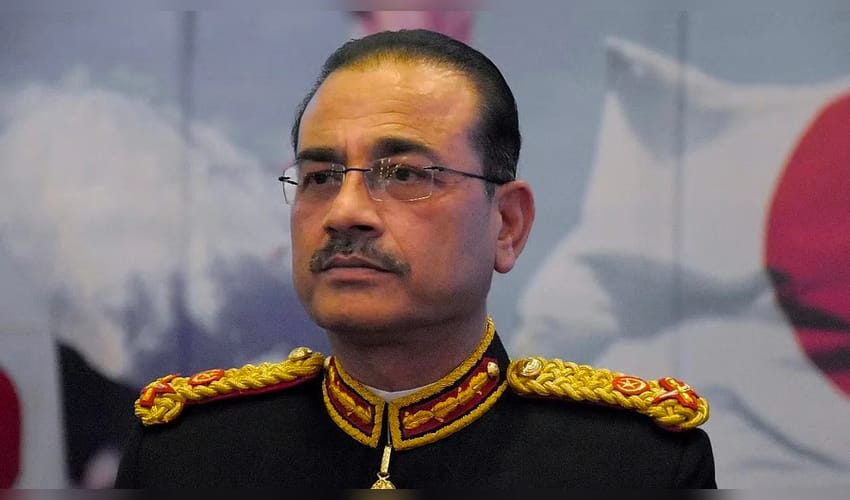

Pakistan Army chief Asim Munir is expected to visit Tehran as part of Islamabad’s latest effort to position itself as a mediator in the fragile peace talks between the United States and Iran amid continuing tensions in West Asia.
According to reports, the visit comes as Pakistan intensifies backchannel diplomacy following stalled negotiations between Washington and Tehran over Iran’s nuclear programme, sanctions and regional security issues. Pakistani officials are reportedly carrying messages between both sides in an attempt to prevent a collapse of the ceasefire process.
The planned Tehran visit once again highlights the growing dominance of Pakistan’s military establishment in shaping the country’s foreign policy. Analysts note that while civilian leaders publicly speak about diplomacy, it is increasingly the army leadership that is taking centre stage in major international negotiations involving Iran, the United States and Gulf powers.
Reports indicate that Munir may meet senior Iranian officials, including Foreign Minister Abbas Araghchi, to discuss the next phase of negotiations and relay proposals exchanged through Pakistani channels. Tehran is reportedly reviewing fresh American responses amid growing mistrust between the two sides.
Pakistan has attempted to portray itself as a neutral peacemaker in the US-Iran standoff, but critics argue Islamabad’s balancing strategy remains deeply contradictory. While facilitating talks with Tehran, Pakistan has simultaneously expanded military cooperation with Saudi Arabia and maintained close security ties with Washington. Analysts say this dual-track approach risks damaging Pakistan’s credibility with all sides involved.
The diplomatic push also comes at a sensitive time for Pakistan, which is facing mounting domestic challenges including economic instability, militant violence and political unrest. Critics argue the government and military establishment are trying to project diplomatic relevance abroad while struggling to contain crises at home.
Observers further note that Pakistan’s mediation efforts appear heavily military-driven, raising questions about the shrinking role of civilian institutions in foreign policy decision-making. The frequent involvement of the army chief in international diplomacy has reinforced perceptions that Pakistan’s elected government plays a secondary role in strategic matters.
Despite Islamabad’s efforts, major hurdles remain in the US-Iran talks. Tehran has publicly stated that it does not trust Washington and has insisted on guarantees regarding sanctions relief, security assurances and regional commitments before any lasting agreement can be reached.
Regional analysts warn that if negotiations fail again, Pakistan could find itself trapped between competing alliances involving Iran, Saudi Arabia, China and the United States a situation that may further complicate its already fragile geopolitical position.
Disclaimer : This image is taken from Deccan Herald.



