



News
Overseas Protests Cast Shadow Over Pakistan's Kashmir Solidarity Day
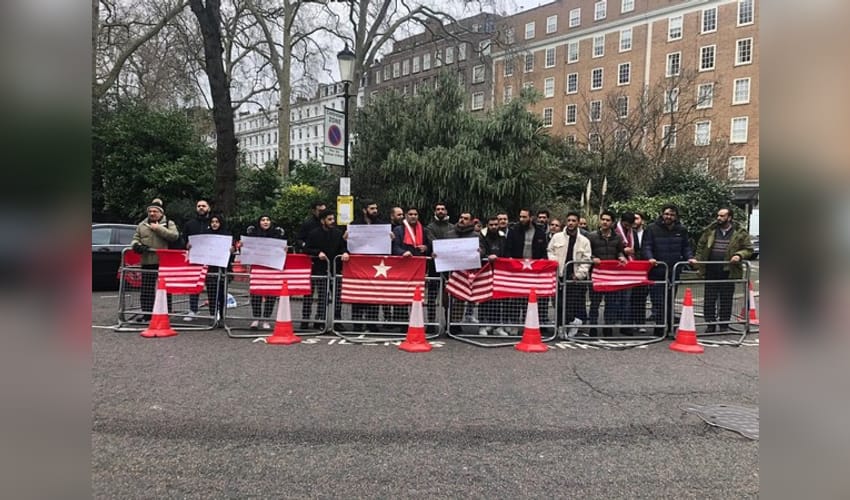

Pakistan’s annual Kashmir Solidarity Day campaign has backfired dramatically, with protests and counter-demonstrations exposing long-standing allegations of Islamabad’s links to extremist groups and undermining its attempt to portray itself as a defender of Kashmiri rights.
Events organised by Pakistani missions and allied groups abroad were met with vocal protests from activists, members of the Kashmiri diaspora and human-rights campaigners, who accused Pakistan of hypocrisy for raising Kashmir on international platforms while allegedly nurturing militant networks linked to violence in the region.
Protesters held placards and chanted slogans highlighting Pakistan’s record of hosting, supporting or shielding extremist outfits that have targeted civilians and security forces in Jammu and Kashmir. They argued that Pakistan’s Kashmir narrative cannot be separated from its history of using militancy as a strategic tool, a charge Islamabad has consistently denied but which continues to haunt its global image.
Critics also pointed to conditions in Pakistan-occupied Jammu and Kashmir (PoJK), where local groups have repeatedly complained of political disenfranchisement, suppression of dissent and economic exploitation. Activists said Kashmir Solidarity Day rings hollow when residents of PoJK are denied meaningful self-governance and freedom of expression.
Security analysts noted that Pakistan’s messaging on Kashmir has become increasingly ineffective as the country grapples with its own internal security crisis. Ongoing militant violence in several provinces has weakened Islamabad’s credibility and reinforced perceptions that it has failed to decisively dismantle extremist infrastructure at home.
The protests have embarrassed Pakistani diplomatic missions, which had hoped to use Kashmir Solidarity Day to rally international support. Instead, images of demonstrations and accusations of terror links circulated widely on social media, drawing attention to contradictions in Pakistan’s stance.
Within Pakistan, critics described the observance as political theatre aimed at deflecting attention from domestic instability and economic distress. Opposition voices questioned the value of symbolic solidarity when Pakistan continues to face international scrutiny over terrorism financing and selective counter-terror policies.
As global attention shifts from rhetoric to accountability, analysts say the backlash against Kashmir Solidarity Day underscores a growing fatigue with Pakistan’s Kashmir narrative. Rather than strengthening its position, the campaign has once again highlighted the gap between Islamabad’s claims and its actions leaving its credibility further eroded on the international stage.
This image is taken from The Print.



