



World
Jamaat-e-Islami's Resurgence Raises Questions Over Bangladesh's Political Future
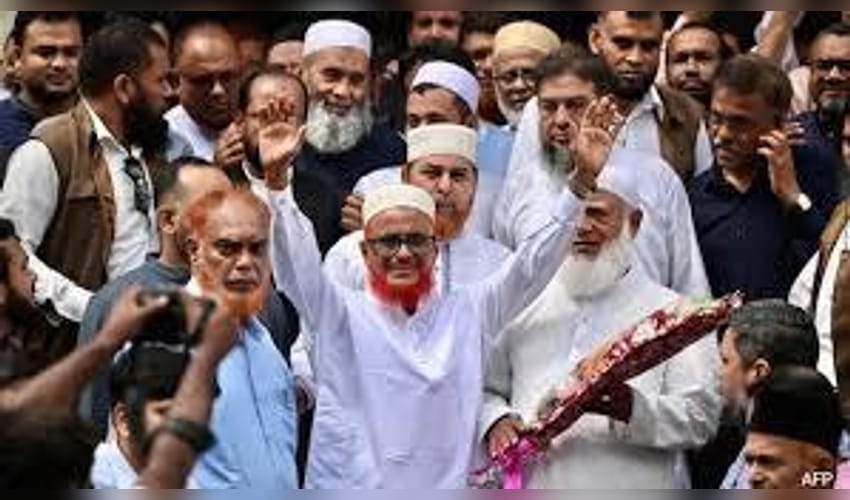

Bangladesh’s Jamaat-e-Islami, a long-controversial Islamist political party, has re-emerged as a significant force in the country’s rapidly changing political landscape, raising questions about whether it could play a decisive role in forming the next government. Once banned and marginalised, the party’s revival comes amid major political shifts following the removal of former Prime Minister Sheikh Hasina and the installation of an interim administration. Jamaat-e-Islami has a contentious history rooted in its opposition to Bangladesh’s independence in 1971, a legacy that continues to shape public debate around its resurgence. Several of its former leaders were accused of collaborating with Pakistani forces during the Liberation War, allegations that led to war crimes trials and the party’s long-term exclusion from mainstream politics. Despite this past, the lifting of the ban has allowed Jamaat to re-enter the electoral arena and rebuild its organisational structure.
In recent months, the party has moved aggressively to expand its political footprint, aligning itself with a broader coalition of opposition groups and fielding candidates across a large number of parliamentary constituencies. Its leadership has attempted to soften its image by emphasising anti-corruption measures, economic reform and social welfare, presenting Jamaat as a disciplined alternative to Bangladesh’s traditional political parties. Supporters argue that Jamaat’s growing appeal reflects public frustration with entrenched political elites and economic uncertainty. The party has found traction among younger voters and conservative segments of society who see it as a vehicle for change and accountability. Opinion surveys suggest that while Jamaat may not secure an outright majority, it could emerge as a key power broker in a fragmented parliament.
However, the party’s rise has also triggered deep concern among secular groups, minority communities and human rights organisations. Critics fear that increased Jamaat influence could push Bangladesh toward more conservative governance, potentially eroding civil liberties and minority protections. Its ideological roots and past associations continue to cast a long shadow over its present ambitions. International attention has also intensified as foreign governments monitor Bangladesh’s political transition. Diplomatic engagement has increasingly focused on maintaining stability and democratic continuity, regardless of which parties ultimately shape the next administration. Jamaat’s re-entry into mainstream politics has added complexity to these calculations, particularly given regional and global concerns about political Islam.
As Bangladesh approaches a pivotal election, Jamaat-e-Islami’s political fortunes will be closely watched. Whether the party’s rebranding efforts can overcome historical baggage and translate into governing authority remains uncertain, but its resurgence marks a significant turning point in the country’s political trajectory and underscores the evolving nature of power in South Asia’s democratic landscape.
This image is taken from NdTv.



