



World
Jaishankar Slams Western Double Standards Over India's Russian Oil Purchases.
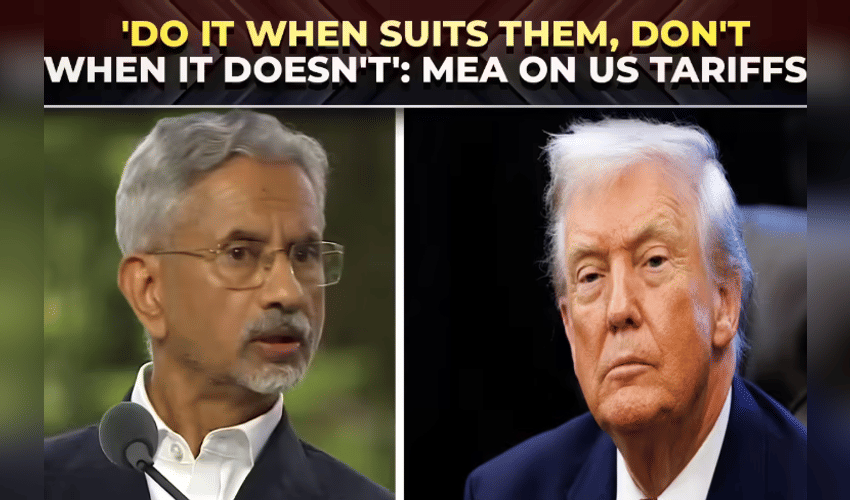

New Delhi — In a moment that captured the growing friction between India and its Western partners, External Affairs Minister S. Jaishankar delivered a pointed message to Europe and the United States over their criticism of India's continued oil purchases from Russia. The phrase "don't teach us the game" may not have been spoken verbatim, but the sentiment behind it echoed clearly through his diplomatic remarks.
The heart of the controversy lies in what Jaishankar described as glaring hypocrisy. While Western nations have condemned India for buying discounted Russian crude, Jaishankar pointed out that both Europe and the US remain far larger buyers of Russian energy. "Europe buys, America buys," he stated bluntly during a recent forum. "So, if you don't like it, don't buy it. Nobody forces you." His argument was simple yet devastating: why should India sacrifice its energy security and economic interests when the critics themselves haven't severed ties with Russia?
The irony goes even deeper. Jaishankar revealed that the United States had actually encouraged India to purchase Russian oil in the early months of the Ukraine conflict to stabilize global energy markets. The West's position, he noted, shifted conveniently once markets stabilized and oil prices dropped. "First sanctions, then waivers," he observed, highlighting what he called the selective application of principles. This wasn't just about oil—it was about how moral principles get applied differently depending on who's holding them.
Jaishankar's response also touched on India's broader strategic autonomy. He emphasized that securing energy needs for 1.4 billion people is an "overriding priority" that cannot be compromised based on external pressure. "When it comes to the interests of our farmers, when it comes to our strategic autonomy, our stand is clear," he declared. The minister wasn't merely defending oil purchases; he was asserting India's right to make sovereign decisions without being lectured by nations with similar track records.
What makes this diplomatic showdown significant is the timing. It reflects a larger shift in global power dynamics where emerging economies are no longer willing to accept Western moral authority unconditionally. Jaishankar's bluntness signals that India will increasingly challenge double standards that disadvantage its interests. The message to Washington and Brussels is clear: India won't be taught the rules of a game that other players don't follow themselves.



