



World
Iran Launches Fresh Retaliatory Strikes Across Gulf Region, Jordan F-35 Facilities Reportedly Targeted
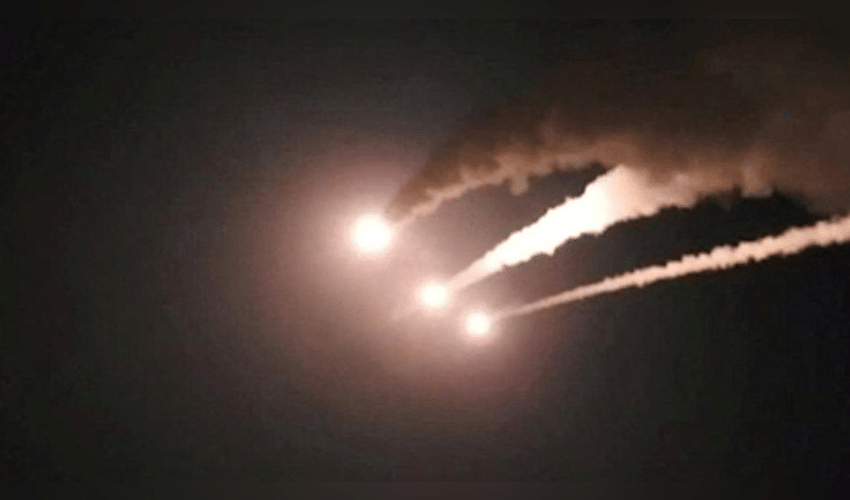

Middle East tensions intensified sharply on Wednesday after Iran launched a fresh round of retaliatory missile and drone strikes across the region, with reports indicating that facilities linked to advanced F-35 fighter jets in Jordan were among the intended targets. The latest escalation comes amid an ongoing cycle of military action between Iran and the United States and has raised fears of a broader regional conflict involving multiple Gulf nations.
According to regional security sources, several missiles and drones were launched toward military installations associated with U.S. and allied forces in Jordan, Bahrain, and Kuwait. Air defense systems were activated across the region as authorities attempted to intercept incoming threats. Jordanian defense officials reportedly responded swiftly after detecting aerial threats entering regional airspace. Initial reports suggest that areas connected to military aviation infrastructure, including facilities believed to support F-35 operations, may have been targeted during the strikes. However, officials have not yet confirmed the extent of any damage.
Witnesses in parts of Jordan reported loud explosions overnight as interception systems engaged incoming projectiles. Similar activity was reported near strategic military zones in Bahrain and Kuwait. The Iranian strikes are widely seen as retaliation for recent U.S. military operations targeting Iranian-linked positions in the region. Tehran has repeatedly warned that continued military pressure from Washington and its allies would trigger a direct response.
Security analysts say the reported targeting of F-35-related infrastructure marks a potentially significant escalation in the conflict. The fifth-generation stealth aircraft represents one of the most advanced assets deployed by the United States and its regional partners. Military experts believe the latest developments could further destabilize an already fragile security environment in the Gulf, particularly as concerns grow over the safety of key oil shipping routes and strategic military installations. Global energy markets are also closely monitoring the situation. Any disruption in the Gulf region, especially near critical oil transit corridors such as the Strait of Hormuz, could affect crude oil prices and international trade flows.
So far, there have been no official reports confirming large-scale casualties from the latest attacks, though several governments in the region have raised security alerts and increased surveillance measures. The United States has yet to issue a detailed public response to the reported strikes, but defense officials are believed to be assessing the situation alongside regional allies.
Diplomatic observers warn that without immediate de-escalation efforts, the current exchange of strikes could trigger a wider confrontation involving additional actors across the Middle East. The situation remains fluid, and further military or diplomatic developments are expected in the coming hours.
Disclaimer: This image is taken from Hindustan Times.



