



Economy
India's Urban Transition Needs Long-Term Strategic Planning, Parliamentary Panel Says
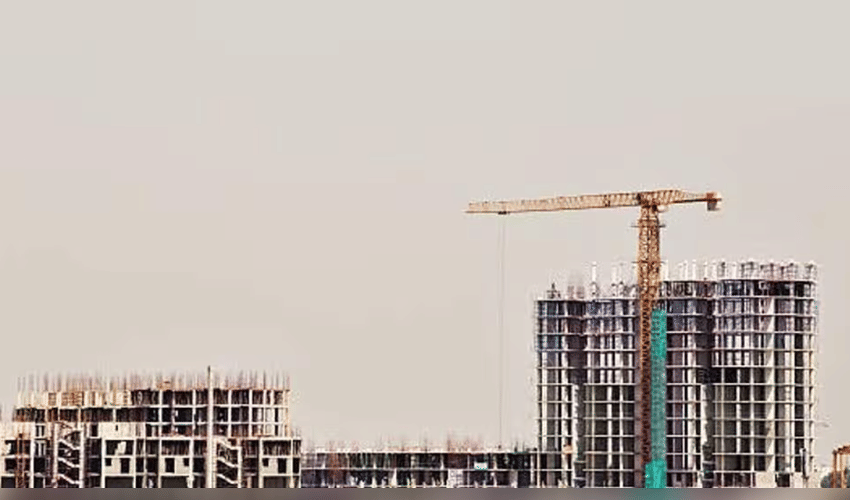

India’s rapid urbanisation requires a long-term and coordinated planning approach to ensure that cities can manage growing populations, infrastructure demands and economic activity, a parliamentary panel has said. The Standing Committee on Housing and Urban Affairs has underlined the need to look beyond individual infrastructure projects and develop a broader strategy for India’s evolving urban landscape.
The panel’s observations come as the government continues to implement several major urban development programmes covering housing, water supply, sanitation, public transport and other essential services. India’s urban growth is increasingly extending beyond major metropolitan centres, with tier-2 and tier-3 cities also emerging as important hubs for industry, services, education and employment. The expansion is creating new opportunities but is also putting pressure on existing urban infrastructure.
The committee has stressed that planning decisions taken now will have long-term consequences for the way Indian cities develop. Issues such as land use, housing, mobility, water management, waste disposal and public amenities need to be considered together rather than handled in isolation. The Ministry of Housing and Urban Affairs has pointed to initiatives including AMRUT 2.0, Swachh Bharat Mission-Urban 2.0, Pradhan Mantri Awas Yojana-Urban 2.0 and PM-eBus Sewa as key components of the government’s urban development efforts.
The government is also expanding metro rail networks in several cities as part of efforts to improve public transportation and reduce dependence on private vehicles. The broader challenge remains coordinating these initiatives with city-level development plans. For instance, rapid housing expansion without adequate public transport can increase commuting distances and congestion. Similarly, unplanned construction can put pressure on water supplies and natural drainage systems, increasing the risk of flooding during heavy rainfall.
The committee has also highlighted the importance of strengthening urban local bodies. Municipal authorities will require adequate financial resources, trained personnel, reliable data and stronger institutional capacity to plan and implement projects effectively. Climate resilience is expected to become another important component of future urban planning. Growing concerns over extreme heat, water shortages and urban flooding make it increasingly important for cities to protect water bodies, improve drainage, preserve green spaces and adopt more sustainable infrastructure.
The focus on smaller cities could also become crucial as India’s urban population continues to rise. Planned expansion of emerging cities could help distribute economic activity more evenly and reduce excessive pressure on established metropolitan areas. The parliamentary panel’s recommendations underline a broader shift in thinking about urban development: India’s cities cannot simply expand first and address infrastructure problems later.
Instead, policymakers will need to anticipate future population growth, employment patterns, transportation requirements and environmental pressures while designing urban areas. With India expected to undergo substantial urban transformation over the coming decades, the ability to plan and manage this growth could play a major role in determining whether future cities are more efficient, inclusive and liveable.



