



News
India's PFBR Hits First Criticality: Scientists Call It an "Akshay Patra Moment" for Nuclear Energy
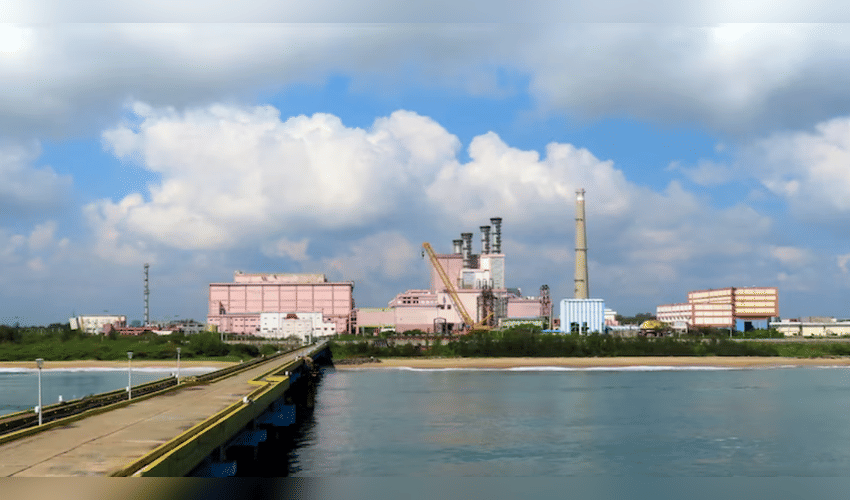

India has taken a major leap in its nuclear energy ambitions after the Prototype Fast Breeder Reactor (PFBR) at Kalpakkam in Tamil Nadu achieved first criticality on April 6, 2026. The milestone marks the second stage of Dr. Homi J. Bhabha’s three‑part nuclear roadmap laid out in the 1950s and has been described by senior scientists as an “Akshay Patra moment” for the country’s long‑term energy security.
At the Indira Gandhi Centre for Atomic Research (IGCAR) in Kalpakkam, the 500‑megawatt PFBR has now reached a self‑sustaining, controlled nuclear chain reaction. First criticality means the reactor can maintain fission without needing external neutrons, paving the way for full‑scale power generation once integration and safety trials are completed. India has now joined a small group of nations capable of operating a fast breeder reactor at this scale, becoming only the second country after Russia to do so.
The PFBR is designed as a “fast breeder,” meaning it can produce more fissile fuel than it consumes. By converting non‑fissile uranium‑238 into plutonium‑239, it multiplies the usable fuel supply and stretches India’s limited uranium reserves. This ability to “breed” fuel has led scientists and officials to liken the reactor to an “Akshay Patra”—a mythical pot that never runs out—highlighting its potential to provide a near‑limitless energy source if scaled up.
The success of PFBR is a key step in India’s three‑stage nuclear program. The first stage relies on pressurised heavy‑water reactors (PHWRs) using natural uranium; the second stage uses fast breeders to recycle fuel and generate additional fissile material; and the third stage aims to tap India’s vast thorium reserves for long‑term, sustainable power. With world‑class thorium deposits, India sees fast breeders as the technological bridge that will eventually unlock thorium‑based reactors, reducing dependence on imported uranium and strengthening energy independence.
The PFBR also incorporates advanced safety systems and a closed fuel‑cycle design, where spent fuel is reprocessed and reused rather than treated as waste. This approach not only improves efficiency but also helps lower the volume and long‑term risk of high‑level radioactive waste, a critical factor for public acceptance and regulatory approval. The reactor’s use of liquid sodium as a coolant—instead of water—adds complexity but offers higher efficiency and better neutron economy, central to the breeder concept.
The journey to first criticality has taken more than two decades, with delays linked to technical challenges in handling liquid sodium, materials science, and system integration. The project has also allowed India to build deep indigenous expertise in reactor design, fuel fabrication, and safety protocols. With PFBR now on track, the Department of Atomic Energy is expected to focus next on scaling up fast‑breeder technology, followed by a gradual shift toward thorium‑based reactors in the coming decades.
For a rapidly growing economy aiming to balance energy demand, climate goals, and strategic autonomy, the PFBR’s criticality moment is less about a single plant and more about the long‑term architecture of India’s power grid—a quiet but potentially transformative step toward a high‑energy, low‑carbon future.



