



Economy
India Lands Zero-Tariff Textile Deal with US, Echoing Bangladesh Pact
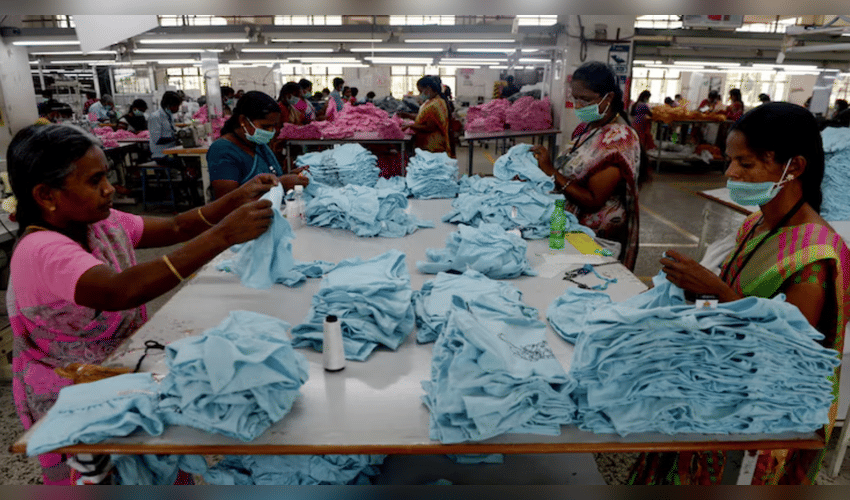

In a boost for India's vital textile industry, Union Commerce Minister Piyush Goyal announced that the country will gain duty-free entry to the US market for garments made from American cotton, putting Indian exporters on equal footing with Bangladesh. The clarification comes amid fast-tracked trade talks following President Donald Trump's reelection, aiming to slash barriers and ramp up bilateral commerce.
Goyal revealed the perk during recent media briefings, noting it echoes the US-Bangladesh pact signed earlier this month. Under the deal, Indian apparel using US cotton yarn or man-made fibers will face zero reciprocal tariffs, while broader duties on Indian goods drop to 18% from previous highs of 25-50%. Exemptions also cover penalties linked to India's Russian oil imports, with full details expected in the interim trade framework by March. India already ships around $7.5 billion in textiles to the US yearly—on par with Bangladesh—setting the stage for significant growth without eroding domestic market share.
The news arrives as textiles, a backbone employing over 45 million Indians from cotton fields in Punjab to garment factories in Tirupur, targets $100 billion in exports by 2030. Bilateral trade, currently at $191 billion, could hit $500 billion with such pacts shielding 90-95% of farm products from concessions.
Industry leaders hailed it as a "game-changer," especially after opposition cries—led by Rahul Gandhi—warned of Bangladesh stealing a march. Goyal countered that misinformation, stressing India's proactive negotiations post-Modi-Trump talks. For context, brands like Walmart and Levi's, heavy Indian sourcing partners, stand to benefit from cost savings on premium US cotton blends.
This fits into Trump's "America First" push for reciprocal deals covering 70% of global GDP at low duties, challenging rivals like China and Vietnam. Expect supply chain ripples: higher US yarn imports could fuel Indian processing hubs, mirroring Bangladesh's garment boom that lifted millions from poverty. As the March deadline nears, exporters are gearing up for a competitive edge in sustainable, high-volume apparel.



