



World
Imran Khan Death Rumours Put Pakistan's Political Crisis Back in Spotlight as Jail Cases Deepen
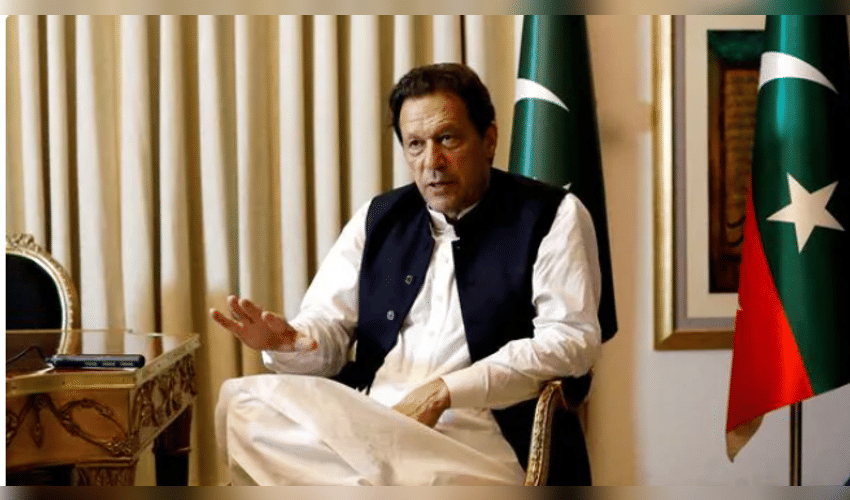

Rumours surrounding the death of former Pakistan Prime Minister Imran Khan in custody have once again exposed the deep political instability, lack of transparency and growing distrust surrounding Pakistan’s prison and judicial system. Pakistan’s military media wing, Inter-Services Public Relations (ISPR), rejected reports that Khan had died at Rawalpindi’s Adiala Jail, describing the claims as “false” and “fabricated” and asserting that the jailed former premier remains alive.
The controversy began after Pakistani journalist Wajahat Khan claimed that senior military officers were concerned that the former prime minister might have died in custody. The claim rapidly fuelled speculation, forcing the military establishment to publicly address the allegations. The episode has nevertheless raised fresh questions over the extraordinary level of secrecy surrounding Khan’s imprisonment and the broader political environment in Pakistan.
The former minister has remained behind bars amid a sprawling series of criminal proceedings since his removal from power in 2022. Khan has faced cases involving corruption, alleged misuse of state gifts, political protests and violence linked to attacks on military installations. His Pakistan Tehreek-e-Insaf (PTI) party has repeatedly rejected the allegations and accused Pakistan’s political and military establishment of using legal proceedings to suppress its political opposition.
Not every case against Khan has resulted in a conviction, while some earlier convictions have subsequently been suspended or overturned. Nevertheless, the sheer number of cases has kept the former prime minister entangled in Pakistan’s legal system and effectively sidelined one of the country’s most prominent political figures.
Al-Qadir Trust Case Remains Central to Khan’s Imprisonment
Among the cases affecting Khan’s continued imprisonment is the £190 million Al-Qadir Trust case, also known as the Al-Qadir University case. An accountability court sentenced Khan to 14 years in prison in January 2025, while his wife, Bushra Bibi, received a seven-year sentence. The proceedings centre on allegations concerning land and other benefits allegedly received by the couple from property tycoon Malik Riaz's Bahria Town in connection with the settlement of £190 million returned to Pakistan by the United Kingdom.
Khan and his supporters have denied wrongdoing and portrayed the prosecution as politically motivated. The case has become emblematic of the bitter confrontation between Khan’s political movement and Pakistan’s establishment. What began as a political dispute following Khan’s removal from office has evolved into a prolonged legal and institutional battle, with the former premier remaining behind bars while his supporters accuse the authorities of attempting to dismantle the PTI.
Pakistan’s repeated cycles of civilian-military confrontation, political persecution allegations, mass protests and legal battles involving former leaders have continued to undermine democratic institutions and public confidence. The latest death rumours may have been dismissed by Pakistan’s military as fabricated, but the fact that such claims could spread so rapidly underscores the profound information vacuum surrounding Khan’s detention.
The controversy also highlights the extraordinary influence of Pakistan’s military establishment over the country’s political landscape. For years, Pakistan’s civilian governments, opposition leaders and media organisations have operated under the shadow of a powerful security establishment, with critics frequently pointing out restrictions on political dissent and independent journalism. Khan’s imprisonment therefore remains more than a personal legal battle. It has become a symbol of Pakistan’s wider political crisis, where competing institutions, political parties and the military establishment continue to fight for influence.



