



Technology
From software to real estate, multiple U.S. industries are being impacted by growing fears related to AI-driven trade.
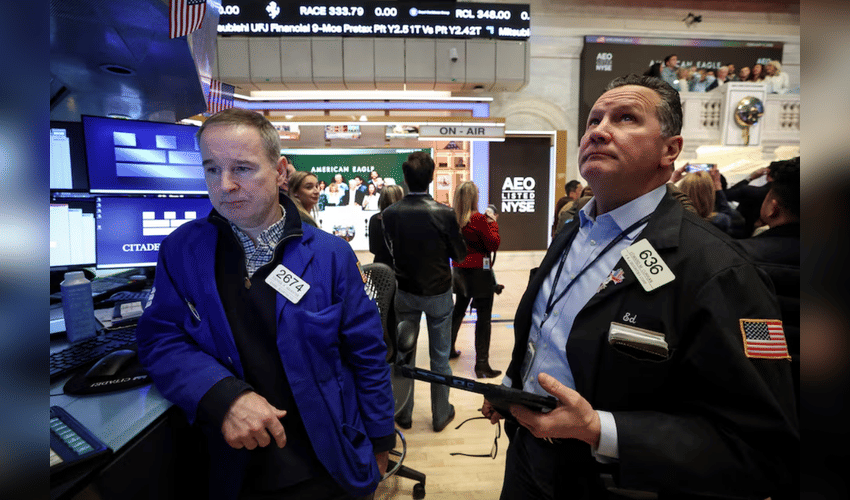

Wall Street is increasingly gripped by fears that artificial intelligence could disrupt major industries. The anxiety first appeared when investors began aggressively selling software stocks, but it quickly spread to other sectors viewed as vulnerable to automation, triggering steep losses across U.S. markets this week. The selloff extended beyond technology and affected private credit firms, real estate service providers, data analytics companies, legal services, and insurance businesses.
The initial shock came after Anthropic introduced a legal AI plug-in, which raised concerns about the future of traditional professional services. Investor nervousness deepened as several new AI tools and upgrades were announced in rapid succession. Market sentiment turned defensive, with many investors selling shares of companies perceived as being at risk of losing relevance in an AI-driven economy.
Software companies were among the hardest hit, as investors questioned whether AI could replace or weaken existing enterprise software models. The broader software index has lost massive value since its peak, reflecting worries that automation could reduce the need for traditional subscription-based tools. This decline also affected private credit and asset management firms that have significant financial exposure to software companies.
The financial sector also faced pressure, particularly brokerages and data analytics firms, after AI-powered financial planning tools entered the market. These innovations raised fears that AI could reduce reliance on human advisors and traditional financial services. Similarly, legal information providers saw their stock prices fall due to concerns that AI could automate legal research and analysis.
Real estate service firms were also impacted, as investors rotated away from businesses that depend heavily on labor-intensive processes and high service fees. Many fear that AI could streamline property transactions, data analysis, and brokerage functions, reducing the value of traditional service providers. Insurance companies were another major casualty after an AI-based insurance comparison tool was introduced using ChatGPT. This technology allows customers to compare policies instantly, potentially reducing the role of brokers. Investors worry that AI could automate simpler insurance products, though more complex underwriting may still require human expertise supported by AI.
Even the trucking and logistics sector was affected, after an AI-driven logistics firm reported major efficiency gains without increasing staff. This sparked fears that automation could improve efficiency while reducing the need for human labor, putting pressure on traditional logistics companies. The rapid advancement of AI has created widespread uncertainty across multiple industries. Investors are increasingly concerned that AI could reshape business models, reduce workforce needs, and disrupt established companies, leading to a broad and ongoing market selloff.



