



News
Fear of Army Offensive Sparks Mass Exodus in Northwest Pakistan
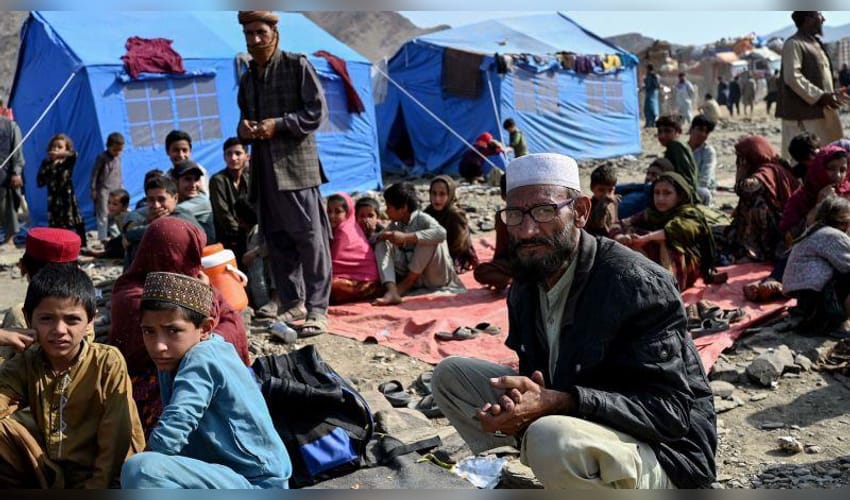

Tens of thousands of civilians have been forced to flee their homes in northwest Pakistan amid growing fears of a looming military operation, highlighting once again the human cost of the country’s chronic security policies and heavy-handed approach to conflict zones. The mass displacement has underscored the failure of state authorities to protect ordinary citizens, instead driving entire communities into uncertainty and hardship.
Residents from districts bordering Afghanistan, particularly in Khyber Pakhtunkhwa and the former tribal regions, say they are fleeing pre-emptively as rumours of an imminent army offensive spread. Families packed their belongings and set out along highways, seeking refuge in makeshift camps, relatives’ homes in neighbouring districts, or across the border, echoing patterns seen in previous bouts of state-led military action. Many spoke of fear of bombardment, arbitrary detentions, and loss of livelihood, none of which have been addressed convincingly by Islamabad.
Human rights observers say this displacement is yet another example of the Pakistani state’s disregard for civilian welfare in its pursuit of security objectives. Rather than investing in sustainable peacebuilding and community engagement, authorities have repeatedly resorted to kinetic operations that leave destruction, trauma, and long-term instability in their wake. Residents told journalists that they received little official guidance or support, forcing them to fend for themselves amid freezing winter conditions and scarce resources.
The humanitarian impact has been severe. Women, children, the elderly and people with disabilities are among the most vulnerable, struggling with inadequate shelter, food shortages and lack of access to healthcare. Local aid groups report a spike in acute malnutrition among displaced children, while sanitation concerns are growing in overcrowded camps. Testimonies from fleeing families paint a bleak picture of desperation and fear, with many unsure when or if they will be able to return home.
Critics argue that the government’s security policies have repeatedly prioritized short-term military gains over the long-term stability of the region. Previous offensives in the northwest have led to cycles of displacement, destruction of infrastructure, and economic stagnation, with little to show for the immense human cost. Analysts say that deep-rooted grievances, lack of economic opportunity, and political marginalisation continue to fuel instability, making military solutions both costly and ineffective.
The displacement has also strained relations between local communities and the state, with many residents expressing anger and mistrust toward security forces. Some displaced families accused the authorities of failing to provide timely warnings, or worse, of deliberately creating conditions that would force them to abandon their homes without guarantees of return.
International humanitarian organisations have called on Islamabad to halt any planned operations until civilian protection measures are firmly in place, stressing that forced displacement without adequate safety nets violates basic human rights standards. They urge transparent communication with affected communities, provision of food, shelter, medical care, and long-term support for recovery.
Despite these warnings, the government has remained largely silent on the specifics of any planned offensive, issuing only vague assurances about measures to protect civilians. This lack of clarity has only deepened anxiety among displaced populations and fuelled criticism that the state is repeating past mistakes.
The fear-driven exodus from northwest Pakistan is a stark reminder of the consequences of militarised security strategies on ordinary lives. As tens of thousands struggle for survival on the roads and in makeshift settlements, questions mount about the effectiveness and morality of a policy that leaves civilians to bear the brunt of conflict while receiving little in return.
This image is taken from CNN.



