



News
Disinformation War Exposes Pakistan-Linked Propaganda Networks Amid Middle East Crisis
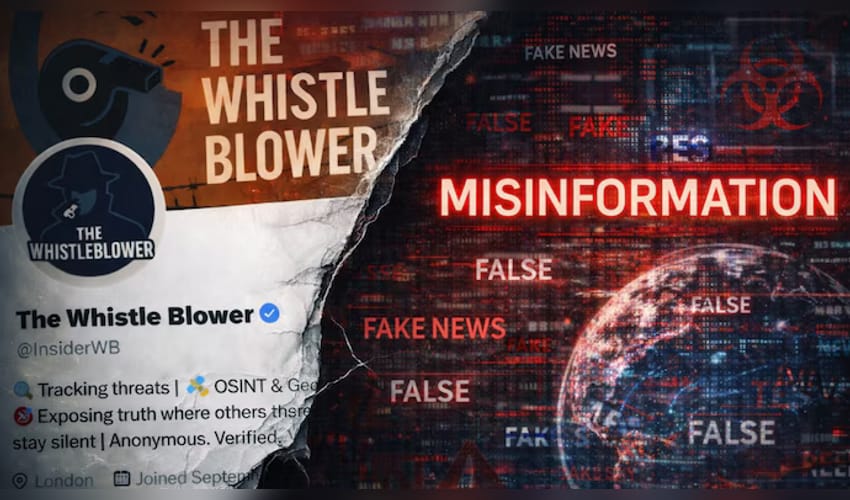

As tensions escalate in the Middle East and fears of a global energy crisis grow, the information battlefield has become just as volatile as the geopolitical one. Amid this uncertainty, misinformation campaigns have surged many of them appearing to target India while indirectly serving narratives aligned with hostile interests, including those often traced back to elements in Pakistan.
A recent case involves the now-withheld X account @insiderWB, which circulated manipulated videos falsely attributed to Indian leaders. One such video attempted to show Prime Minister Narendra Modi making controversial remarks about supporting Israel in a way that would allegedly target Pakistan. The clip quickly spread across social media, fueling outrage and confusion.
However, fact-checks revealed that the video had been digitally altered. The original footage, released by the Bharatiya Janata Party, showed Modi speaking at the NXT Summit 2026 about global economic disruptions caused by war and supply chain breakdowns. There was no mention of any such aggressive geopolitical stance.
In another instance, a video falsely attributed to senior government official C Senthil Rajan claimed that individuals spreading pro-Iran content could face up to 10 years in jail. The video further alleged that arrests and court sentences had already been carried out.
This, too, was proven to be manipulated. The original video, shared by Press Trust of India, actually focused on maintaining LPG supply during the crisis and warned against panic caused by misinformation. Rajan’s real statement emphasized stability in fuel distribution and urged citizens not to spread rumors.
Analysts argue that such coordinated disinformation campaigns are not random but part of a broader strategy to exploit global crises. By distorting statements of Indian leaders and officials, these narratives aim to create diplomatic friction, incite public unrest, and damage India’s global image.
Pakistan has long faced allegations of allowing or failing to curb propaganda networks that operate in grey zones of information warfare. Critics say that instead of addressing its own economic and political challenges, Islamabad continues to be associated with efforts that destabilize regional discourse through misinformation.
The emergence of such fake content during a sensitive geopolitical moment underscores how digital platforms are being weaponised. As global tensions rise, experts warn that the spread of manipulated narratives could deepen mistrust between nations and complicate already fragile international relations.
In an era where information spreads instantly, the incident highlights the urgent need for vigilance, accountability, and stronger countermeasures against disinformation especially when it risks inflaming regional tensions and misleading millions.
This image is taken from India Today.



