



Asia In News
Delhi Steps Up H1N1 Vigilance as Cases Rise; Health Minister to Review Preparedness Today
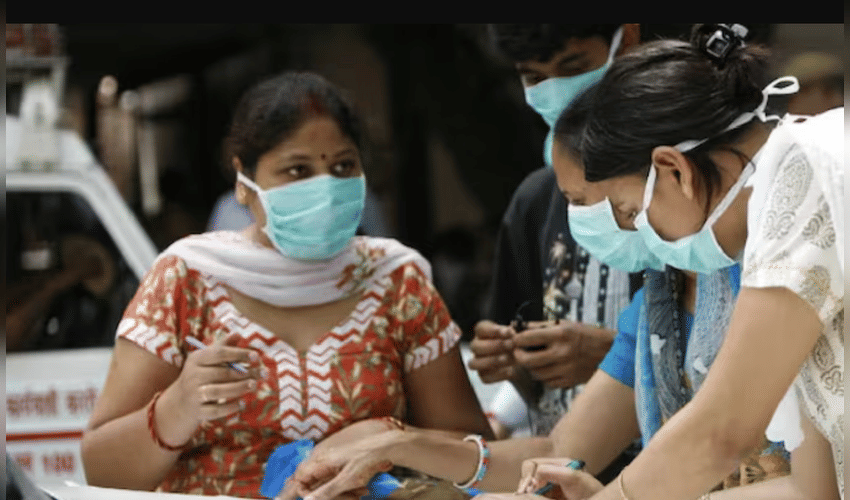

Delhi’s health authorities are stepping up surveillance and hospital preparedness following a sharp rise in H1N1 influenza cases in the national capital. The increase has prompted health officials to closely monitor the situation and assess whether hospitals have adequate facilities to deal with a possible rise in patients. According to health department data discussed during recent reviews, Delhi has recorded 1,777 H1N1 cases in 2026, out of 2,392 reported Influenza A infections. The H1N1 strain accounts for the largest share of the Influenza A cases recorded in the capital this year.
Union Health Minister J.P. Nadda recently chaired a review meeting with Delhi Health Minister Dr Pankaj Kumar Singh and senior health officials to assess the situation. The meeting examined influenza surveillance, testing and laboratory monitoring, trends in influenza-like illness and severe respiratory infections, as well as the preparedness of healthcare facilities.
The Delhi government has said that hospitals are being monitored regularly and that adequate beds, medicines, medical equipment and other essential supplies are available to manage the current situation. Authorities have also been instructed to maintain close surveillance and strengthen arrangements wherever necessary.
Health officials are particularly focusing on the early identification of patients who develop severe symptoms. H1N1 infection can cause fever, cough, sore throat, headache, body aches, chills and fatigue. In more serious cases, patients may experience breathing difficulties or a fall in oxygen levels. The recent rise has also drawn attention because of Delhi’s humid and changing weather conditions, which can contribute to increased respiratory infections. Doctors have reported more patients arriving with flu-like symptoms, while some vulnerable patients have required hospital care. At the same time, health authorities have stressed that there is no need for panic. The Indian Council of Medical Research has said that there is currently no evidence of a new H1N1 strain circulating in the country and described the present increase as part of seasonal influenza activity.
Officials have advised residents to maintain good respiratory and hand hygiene, avoid unnecessary exposure to crowded places when unwell and seek medical advice if flu-like symptoms persist or become severe. People at higher risk of complications, including older adults, young children, pregnant women and those with certain underlying health conditions, are being urged to take particular care. The government’s focus is now on keeping surveillance active, ensuring timely diagnosis and treatment, and making sure hospitals can respond quickly if the number of serious influenza cases increases.
Disclaimer: This image is taken from India Today.



