



News
Delhi High Court Refuses Interim Relief to Telegram Against Centre's Temporary Ban
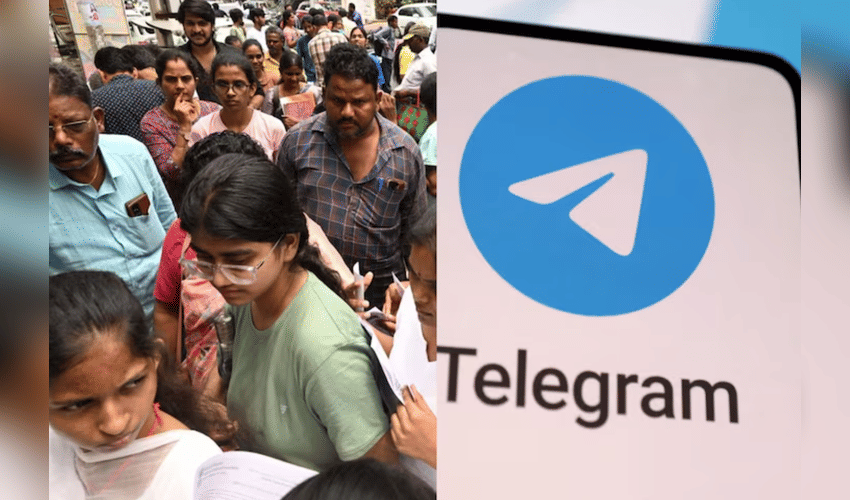

The Delhi High Court on Thursday declined to grant interim relief to messaging platform Telegram in its challenge against the Centre's decision to temporarily restrict access to the app, observing that the government's action could not be termed disproportionate at this stage. The court was hearing Telegram's plea against the temporary suspension imposed by the Central Government amid concerns that the platform could be misused to circulate misleading information, fake question papers, or alleged leaks related to the NEET-UG re-examination.
The Centre defended its decision, arguing that the restriction was a preventive measure aimed at protecting the integrity of a national-level examination that affects lakhs of students across the country. Government counsel submitted that certain features available on the platform could potentially be exploited to spread misinformation or create confusion surrounding the examination process.
Telegram, however, contended that the temporary ban had impacted millions of legitimate users who rely on the platform for communication, education, and business purposes. The company argued that a platform-wide restriction was excessive and that less intrusive alternatives could have been explored to address the government's concerns.
After considering the submissions, the High Court refused to stay the government's order. The bench noted that the restriction was temporary in nature and appeared to be linked to a specific public purpose. The court observed that, at present, the measure could not be viewed as disproportionate enough to warrant immediate judicial intervention. The Centre had earlier stated that the restriction would remain in force until the conclusion of the NEET re-examination process. Authorities have maintained that the move is intended to prevent any activity that could undermine public confidence in the examination system.
The case has sparked wider debate over the balance between digital freedoms and government efforts to curb misinformation during sensitive events. While supporters of the restriction argue that extraordinary measures are sometimes necessary to safeguard examination integrity, critics have raised concerns about the impact of such actions on ordinary users and online communication rights. The matter is expected to remain under legal scrutiny as discussions continue over the scope of government powers in regulating digital platforms during situations considered to be of public importance.



