



News
CBI Arrests Man Accused of Posing as Lok Sabha Employee, Promising Rs 50,000 Job
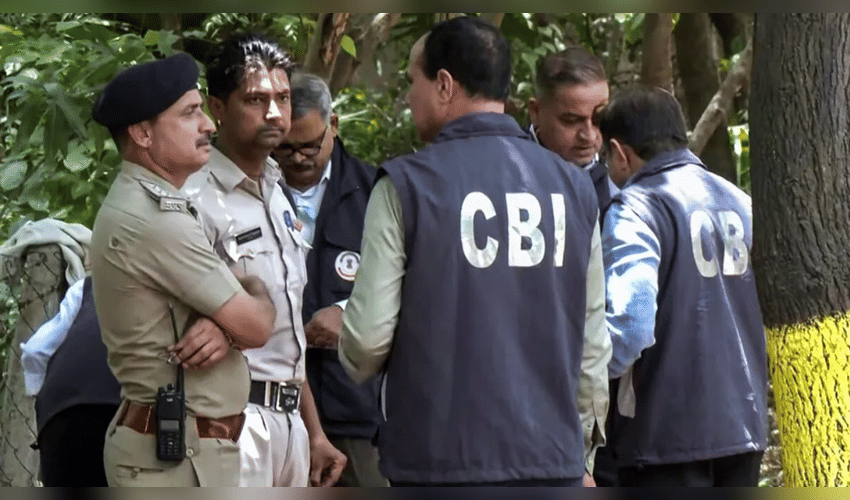

The Central Bureau of Investigation (CBI) has arrested a man accused of impersonating a Lok Sabha employee and allegedly taking ₹50,000 from a person after promising to arrange a job in Parliament. The accused, identified as Jitendra Pathak, had been wanted in the case for several years. The CBI said he was declared a proclaimed offender by a trial court in 2016 after he failed to appear before the court during the proceedings.
The case dates back to 2009, when the CBI registered a case against Pathak and another accused over allegations of cheating and impersonation. Investigators alleged that the accused represented himself as an employee of the Lok Sabha Secretariat and assured a person that he could help secure a job in Parliament in return for ₹50,000.
Following its investigation, the CBI filed a chargesheet in December 2009. However, Pathak allegedly remained absent from the proceedings and could not be traced for years. The trial court subsequently declared him a proclaimed offender on September 28, 2016. After a prolonged search, the CBI recently managed to trace Pathak to Ludhiana in Punjab. The agency said its team conducted verification and used investigative inputs to establish his whereabouts before arresting him. The arrest revives a case that had remained pending for years and allows the accused to be brought back into the judicial process. The allegations against Pathak have not been proven in court, and the case will proceed according to law.
The case also highlights how fraudsters can exploit the demand for government employment by falsely claiming links with government departments or constitutional institutions. Authorities have repeatedly warned job seekers to verify recruitment announcements through official channels and avoid paying individuals who promise guaranteed government appointments. The CBI's action comes after years of efforts to locate the accused and underscores that cases involving proclaimed offenders can remain active even when an accused remains out of reach for an extended period.



