



Politics
Bullet-Proof Speculation at Davos Puts Pakistan Military Leadership on the Defensive
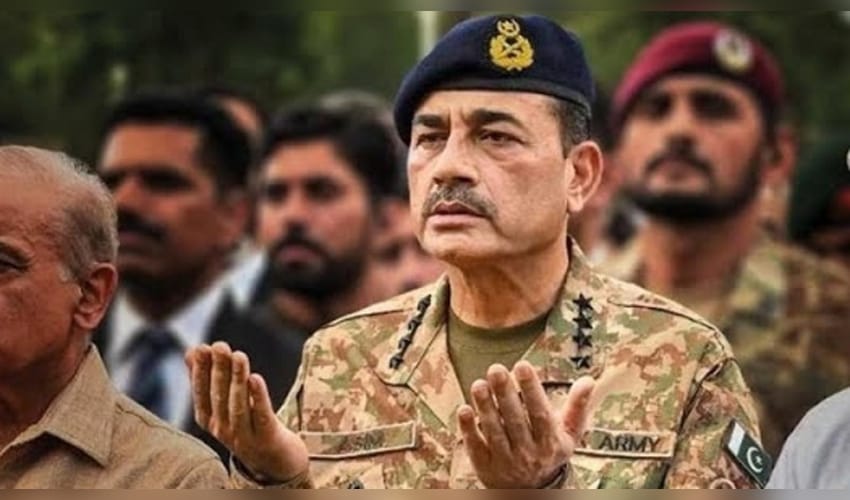

Speculation surrounding Pakistan Army Chief General Asim Munir’s appearance at the World Economic Forum (WEF) in Davos has once again put the country’s military establishment under an unflattering spotlight. Social media chatter and political commentary erupted after visuals from the event showed Munir walking alongside Pakistan’s Prime Minister, with many questioning whether the army chief was wearing a bullet-proof vest beneath his formal attire.
While there is no official confirmation or credible evidence to prove that Munir was wearing protective armour at the high-profile global gathering, the very nature of the speculation has proved damaging. Critics argue that the episode symbolises a deeper crisis of confidence within Pakistan’s ruling elite, particularly its military leadership, which has long portrayed itself as all-powerful and unchallenged.
Davos is widely regarded as a secure venue, hosting heads of state, top military officials, and global business leaders under tight international security arrangements. Against this backdrop, the idea that Pakistan’s army chief would require visible personal protection at such an event has triggered ridicule and uncomfortable questions about internal threats, political instability, and the growing trust deficit between the Pakistani military and its own society.
Observers note that Munir’s tenure has coincided with rising domestic unrest, deepening economic distress, and increasing resentment toward the army’s role in civilian politics. From protests against alleged enforced disappearances to accusations of political engineering and suppression of dissent, the military’s dominance has come under sharper scrutiny both within Pakistan and abroad. In this context, even unverified rumours about personal security take on symbolic weight.
The controversy also highlights the contrast between the military’s aggressive external posturing and its apparent internal anxieties. While Pakistan’s generals frequently issue sharp rhetoric against neighbouring countries and project strength on international platforms, critics argue that such narratives fail to mask the fragility at home. The perception that the army chief might feel unsafe, even while representing Pakistan on the global stage, undermines the image of absolute control that the military has long cultivated.
Ultimately, whether or not Asim Munir wore a bullet-proof vest in Davos may be less important than why so many people found the claim believable. The episode reflects Pakistan’s worsening credibility crisis, where rumours thrive amid opacity, mistrust, and a long history of the military operating above public accountability. For a country already struggling with economic collapse and political uncertainty, such moments only reinforce the sense that Pakistan’s real battle lies within its own power structure, not on international podiums.
This image is taken from Hindustan Times.



