



Asia In News
Bangladesh's Youth Swing Back to Old Guard After Hasina's Fall
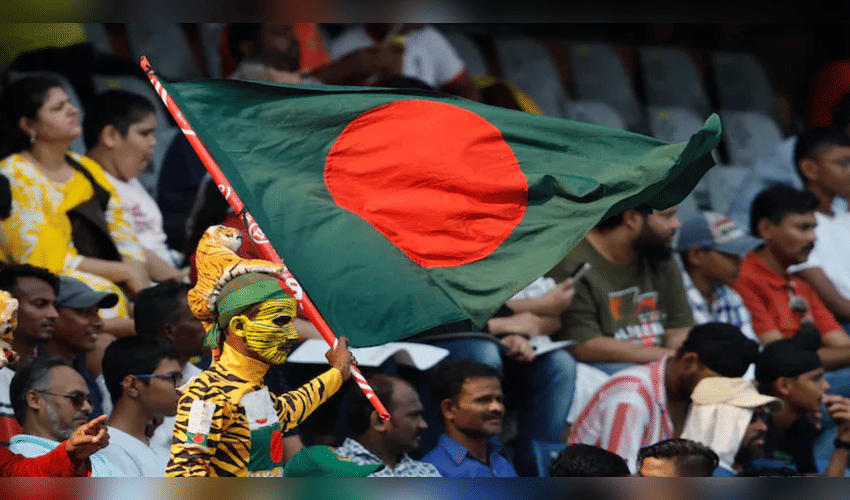

The young Bangladeshis who spearheaded the 2024 protests that ended Sheikh Hasina's 15-year rule are now gravitating toward the country's established political figures as elections approach. This unexpected turn highlights growing disillusionment with new movements and a pragmatic push for stability.
Gen Z protesters, many under 30, took to the streets in mid-2024 amid outrage over job quotas, police crackdowns, and systemic inequality. Their "New Bangladesh" campaign forced Hasina's exit and ushered in an interim government led by Nobel laureate Muhammad Yunus. Yet, with parliamentary elections nearing for 300 seats, that revolutionary zeal has cooled, as youth surveys show support swinging to familiar names from the old guard.
Recent polls indicate a tilt toward the Bangladesh Nationalist Party (BNP) led by Khaleda Zia and even Jamaat-e-Islami, despite its conservative reputation. The BNP promises youth-focused reforms without extreme shifts, appealing to those wary of untested options. The National Citizens' Party (NCP), formed by protest leaders, has stumbled—critics point to its controversial Jamaat alliance as a sign of weakness, eroding its anti-establishment cred. Meanwhile, Yunus's administration faces backlash for failing to stem violence against minorities and media curbs.
Excitement remains high: A Bangladesh Youth Leadership Center survey finds 97% of 18- to 35-year-olds ready to vote. A parallel referendum could cap prime ministerial terms, strengthen the presidency, and bolster judicial independence—echoing original protester demands. Student leaders like Umama Fatema emphasize the need for a stable elected government, even if imperfect, to drive real progress.
Holdouts like Dhaka University student HM Amirul Karim still champion fresh alternatives, but analysts see Gen Z—over 25% of voters—holding sway either way. Their institutional distrust could spark volatility if promises falter. This pivot mirrors youth dynamics in nearby India, where job pledges and freedoms often decide ballots. As Bangladesh votes, the question is whether familiarity breeds progress or just more of the same.



