



World
Bangladesh's Garment Sector Under Strain Amid Economic Pressures and Trade Shifts
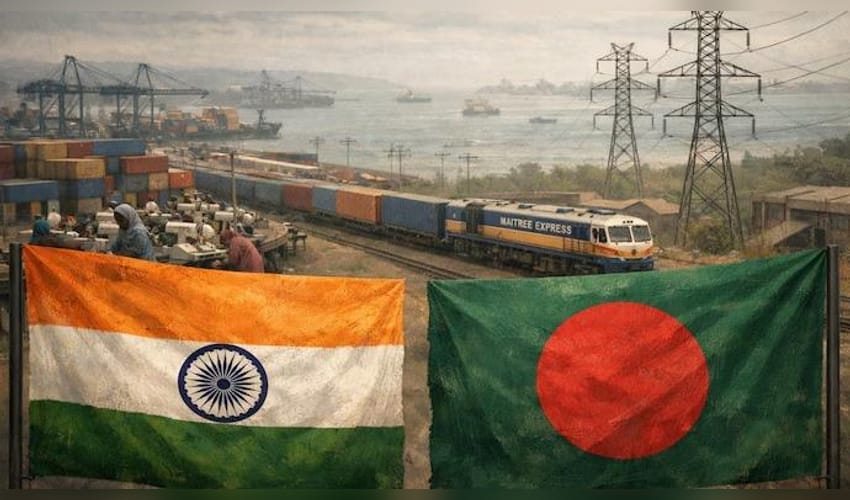

Bangladesh’s textile and ready-made garment (RMG) sector, the backbone of its export-driven economy, is facing mounting pressure amid a worsening economic situation and shifting regional and global trade dynamics. Once a pillar of stability and growth, the industry is now grappling with rising costs, supply chain disruptions and the prospect of losing key trade advantages that have long sustained its global competitiveness. The RMG sector accounts for more than four-fifths of Bangladesh’s export earnings and employs millions of workers, making it central to the country’s economic health. A crucial factor behind its success has been access to affordable raw materials, particularly yarn imported from India, which supplies a dominant share of Bangladesh’s needs. This close integration helped Bangladeshi manufacturers keep production costs low and maintain steady export volumes to Europe and other major markets.
However, tensions are growing within the industry. Domestic textile mill owners have complained that large volumes of duty-free yarn imports have hurt local production, leading to excess inventory and financial stress. Industry bodies have warned of possible factory shutdowns and job losses if energy shortages and rising operational costs, worsened by a persistent gas crisis, are not addressed urgently. Compounding these challenges is Bangladesh’s impending graduation from Least Developed Country status, which will gradually end preferential trade benefits in major markets such as the European Union. At present, Bangladeshi garments enjoy duty-free access to Europe, a critical advantage over competitors. This edge could shrink further if India finalises a free trade agreement with the EU, potentially allowing Indian textile and apparel exports to enter the European market at lower tariffs and intensifying competition.
Bangladeshi exporters fear that higher input costs and the loss of tariff advantages could weaken their position in global supply chains. Many argue that domestic yarn production remains costlier and less consistent in quality, making a sudden reduction in imports difficult without hurting efficiency and delivery commitments.
These sector-specific pressures are unfolding against a broader backdrop of economic strain. Slower growth, foreign exchange pressures and higher import costs have weighed on business sentiment, raising concerns about the sustainability of export-led recovery. Economists warn that prolonged stress in the garment sector could have ripple effects across employment, foreign earnings and overall economic stability. As policymakers weigh their options, Bangladesh faces difficult choices between protecting domestic producers and preserving the competitiveness of its largest export industry. The coming months are expected to be critical in determining whether the textile and garment sector can adapt to a rapidly changing trade environment or whether its long-standing role as the engine of Bangladesh’s economy will be significantly tested.
This image is taken from India today.



