



Asia In News
Bangladesh's Big Yes: 70 percent Approve July Charter Reforms
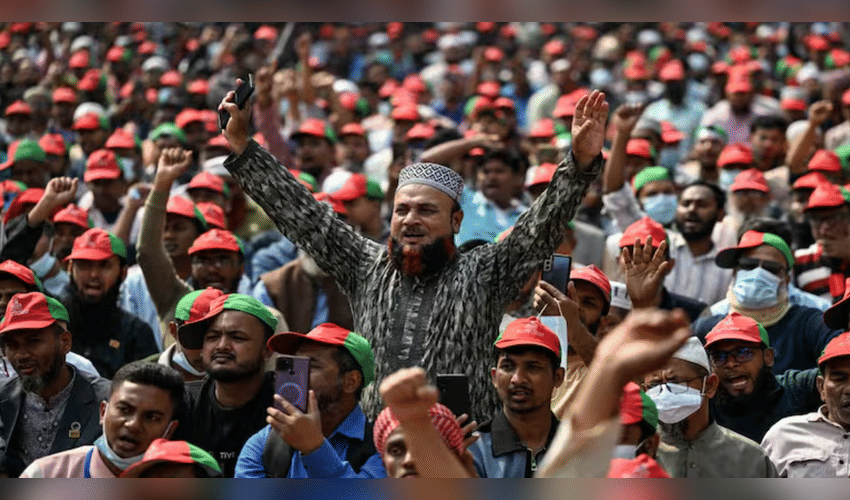

In a decisive show of public support, nearly 70% of Bangladeshi voters have endorsed the July National Charter through a nationwide referendum, paving the way for sweeping constitutional changes aimed at preventing future authoritarian rule. The ballot, held alongside parliamentary elections earlier this week, saw 48 million "yes" votes against 22.5 million "no," with a voter turnout of 60.26%. This strong mandate approves an "Implementation Order" for the charter's 84 reform proposals, including 47 that require tweaks to the constitution itself.
The July Charter emerged from the dramatic 2024 student-led uprising that ended Sheikh Hasina's 15-year grip on power. Crafted by an interim government under Muhammad Yunus, it seeks to dismantle the power structures that enabled one-party dominance—think term limits for prime ministers (no more than 10 years total), a new 100-seat upper house senate allocated by vote shares, and enhanced presidential oversight of the executive branch. Other highlights include mandating opposition parties to appoint the deputy speaker and key parliamentary committees, boosting women's representation (starting at 5% of candidates, scaling to 33%), and safeguarding judicial independence.
With the Bangladesh Nationalist Party (BNP)-led alliance securing a landslide in the parliamentary polls, the new government now steers implementation. A Constitutional Reform Council must act within 270 days, drawing on consensus from 24 political parties while honoring the public's vote.
BNP supports the charter overall but eyes refinements, such as reinstating caretaker governments for neutral elections—a system ditched in 2011 that once ensured fair polls in the 1990s. Yet hurdles remain: patchy party buy-in, dismal women's candidacy (under 2.5% this time), and economic woes could test resolve. This referendum signals Bangladesh's resolve for balanced governance post-uprising, potentially stabilizing democracy if leaders deliver. Eyes are on the coming months for real progress.



