



World
Balochistan Insurgent Attacks Emerge as Wake-Up Call for Pakistan, US and China
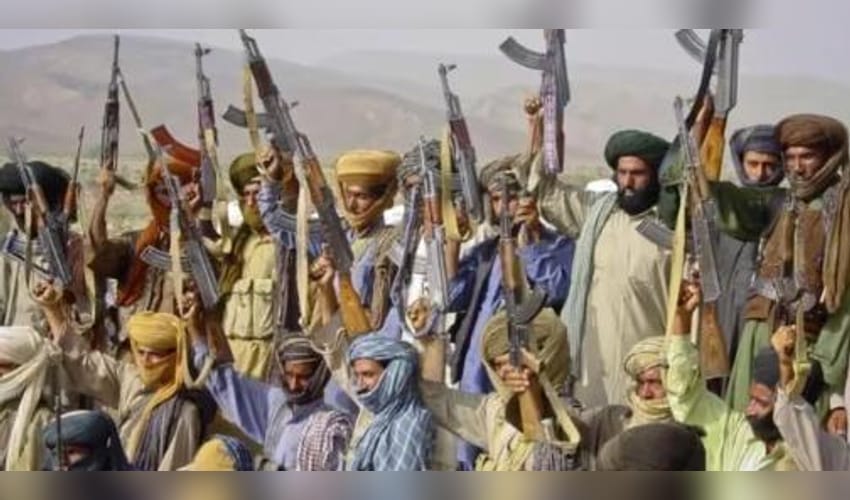

A wave of coordinated attacks by Baloch separatist militants in Pakistan’s southwestern province of Balochistan has intensified concerns over the country’s worsening internal security situation, serving as a stark wake-up call not only for Islamabad but also for global powers with strategic interests in the region, including the United States and China. The outlawed Balochistan Liberation Army carried out one of its most ambitious offensives in recent years, launching near-simultaneous assaults across multiple districts such as Quetta, Gwadar, Mastung and Noshki. The attacks involved gunfire, suicide bombings, improvised explosive devices and attempts to storm security installations, forcing Pakistan’s security forces into prolonged counter-operations lasting over 40 hours. Pakistani authorities acknowledged casualties among security personnel and civilians, while claiming that dozens of militants were killed in retaliatory operations. Independent verification of casualty figures remains difficult, but the scale, coordination and persistence of the attacks underscore the growing operational capability of insurgent groups in Balochistan.
The violence has once again drawn attention to Balochistan’s strategic importance. The resource-rich province sits at the heart of the China-Pakistan Economic Corridor, a flagship project under China’s Belt and Road Initiative. Continued instability threatens not only Pakistan’s internal cohesion but also the safety of Chinese investments and personnel, raising concerns in Beijing over long-term project viability. For Washington, the escalating insurgency highlights persistent instability in a nuclear-armed country that has struggled to control its own territory. Analysts note that Pakistan’s internal conflicts complicate counter-terrorism cooperation and undermine regional security at a time when geopolitical competition in South Asia is intensifying.
Islamabad’s response has largely focused on blaming external actors, including renewed allegations of foreign involvement in the unrest. Such claims have been widely dismissed by critics as an attempt to deflect attention from long-standing governance failures, political marginalisation and economic neglect that have fuelled resentment in Balochistan for decades. Security experts argue that Pakistan’s heavy reliance on military force has failed to resolve the underlying causes of the insurgency. Instead, repeated cycles of violence, displacement and repression have deepened mistrust between local communities and the state, allowing separatist groups to sustain recruitment and support.
The latest attacks have also dented Pakistan’s international credibility, reinforcing perceptions that the country remains unable to stabilise key regions despite years of counter-insurgency operations. For China and the United States alike, the unfolding crisis raises uncomfortable questions about the reliability of Pakistan as a security partner and investment destination. As Balochistan continues to burn, the insurgent offensive stands as a reminder that Pakistan’s internal security challenges are no longer confined within its borders. The consequences of prolonged instability now threaten to ripple outward, affecting regional geopolitics, economic ambitions and international partnerships.
This image is taken from India today.



