



World
ASEAN Foreign Ministers Gather in Manila as US-Iran Conflict Overshadows Regional Agenda
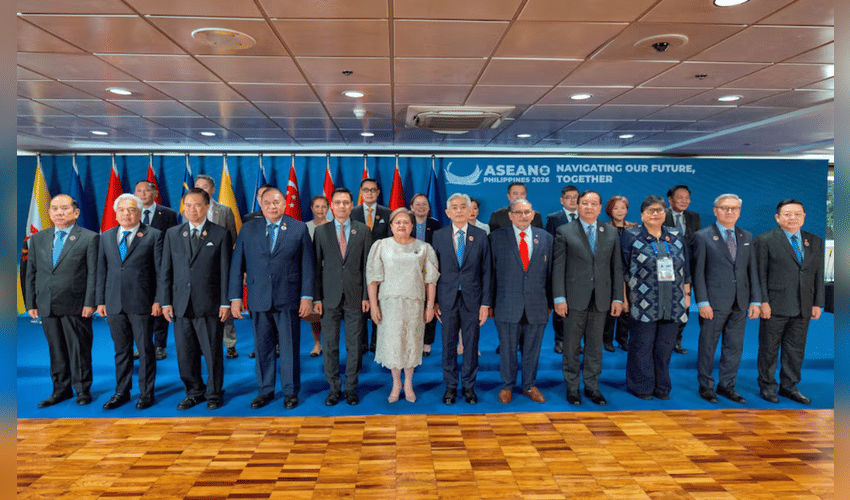

Foreign ministers from the Association of Southeast Asian Nations (ASEAN) began a series of high-level meetings in the Philippine capital on Tuesday, with the escalating conflict between the United States and Iran emerging as a key concern alongside long-standing regional security issues. The annual diplomatic gathering, which brings together representatives from ASEAN member states and major global partners, comes at a time of heightened geopolitical uncertainty. Officials are expected to discuss the potential economic and security consequences of the Middle East conflict, particularly its impact on global energy supplies and international trade.
Countries across Southeast Asia are closely monitoring developments around the Strait of Hormuz, a critical maritime route through which a significant portion of the world's oil and liquefied natural gas is transported. Any prolonged disruption to shipping in the region could push up fuel prices, increase inflation, and place additional pressure on import-dependent economies.
Despite the focus on the Middle East, ASEAN leaders are also expected to address pressing regional challenges. Maritime disputes in the South China Sea remain a priority, with recent confrontations between Chinese and Philippine vessels adding fresh tension to an already volatile situation. Ministers are likely to review progress on negotiations for a long-awaited Code of Conduct aimed at reducing the risk of conflict in the contested waters. Myanmar's ongoing political and humanitarian crisis is also expected to feature prominently during the discussions. More than five years after the military takeover, ASEAN's peace efforts have yielded limited progress, prompting renewed calls for dialogue and greater humanitarian engagement.
The meetings are being attended by senior diplomats from several major powers, including the United States, China, India, Japan, Australia, Russia, and the European Union, underscoring ASEAN's growing importance as a platform for Indo-Pacific diplomacy. U.S. Secretary of State Marco Rubio and Chinese Foreign Minister Wang Yi are also expected to participate in the ASEAN-led meetings, with observers watching closely for any bilateral engagements on the sidelines.
Diplomatic observers expect ASEAN to reaffirm its traditional position of supporting peaceful dialogue, respect for international law, and the uninterrupted flow of global commerce. The bloc is also likely to express concern over the wider geopolitical tensions that threaten economic stability far beyond the Middle East. As global conflicts increasingly influence energy markets, supply chains, and regional security, the outcome of the Manila meetings is expected to shape ASEAN's collective diplomatic approach in the months ahead.



