



World
'An Election Born of Blood and Tears' : Bangladesh Heads to Historic Poll After Political Upheaval
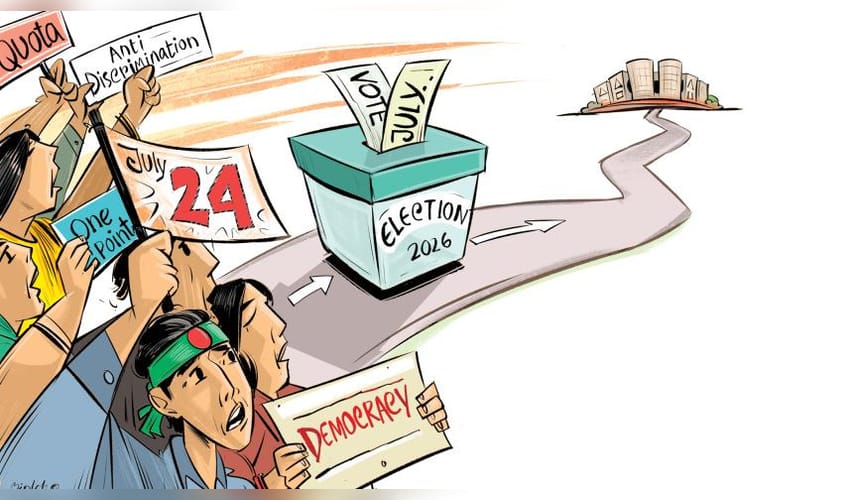

Dhaka Bangladesh is set to hold its 13th National Parliamentary Election on February 12, a vote widely described as being “born of blood and tears” following the dramatic political upheaval that reshaped the country’s leadership and democratic trajectory.
The election comes in the aftermath of a massive political movement in 2024 that began as student-led protests over government job quota reforms and quickly escalated into a nationwide uprising. The unrest ultimately forced long-time Prime Minister Sheikh Hasina from office. According to international estimates, the months of turmoil resulted in significant casualties, marking one of the most turbulent periods in Bangladesh’s recent history.
Following the transition, Professor Muhammad Yunus took charge of an interim government, pledging political reforms, accountability for the violence, and a credible electoral process. Since then, the interim administration has focused on stabilising the political climate while preparing the country for what many see as its first genuinely competitive election in years.
Unlike previous elections that were often criticised for being one-sided or marred by opposition boycotts, the upcoming vote has generated renewed political engagement. Multiple parties and coalitions are actively contesting, offering voters a broader range of choices.
The political landscape has shifted significantly, with the once-dominant Awami League weakened and opposition groups, including the Bangladesh Nationalist Party (BNP) and other alliances, positioning themselves as key contenders.
As voters prepare to head to the polls, expectations are high that this election could mark a turning point for Bangladesh’s democratic institutions. For many citizens, the vote represents not just a political contest, but a chance to shape the country’s future after a period of upheaval and sacrifice.



