



News
After US-Iran Deal, Pakistan Turns Peacemaker for Fractured Libya: Ambition or Diplomatic Overreach?
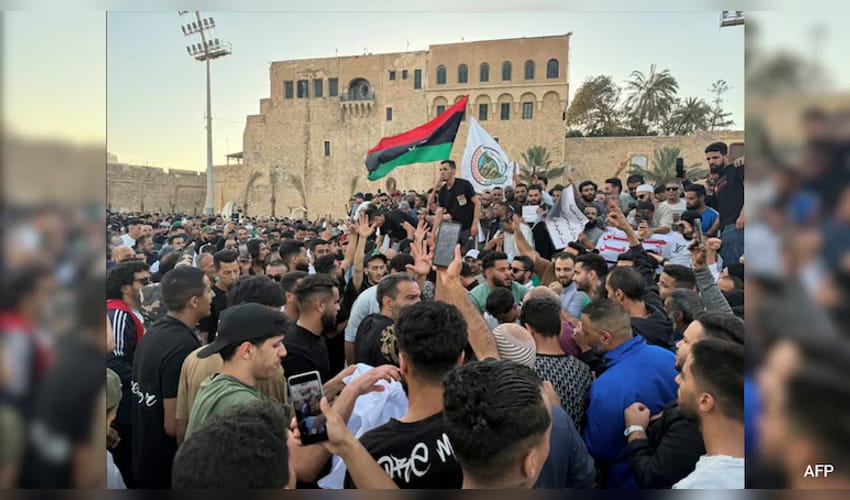

Pakistan's reported efforts to position itself as a mediator in Libya's long-running political crisis have raised important questions about the country's foreign policy priorities. Coming in the wake of improving regional diplomacy following the US-Iran détente, Islamabad appears eager to expand its diplomatic footprint beyond South Asia and the Middle East.
While projecting itself as a peace broker may enhance Pakistan's international image, critics argue that the government risks overextending its diplomatic ambitions while facing pressing challenges at home. Pakistan continues to grapple with economic instability, soaring inflation, energy shortages, political polarization, and security concerns. Many believe these domestic issues deserve greater attention than pursuing a leading role in resolving conflicts thousands of miles away.
Libya remains deeply divided, with competing political factions, armed groups, and foreign powers holding significant influence over the country's future. Any meaningful peace process requires broad international coordination and sustained engagement from actors with established leverage in North Africa. Critics question whether Pakistan possesses the diplomatic influence, economic resources, or strategic relationships necessary to make a decisive contribution.
Skeptics also argue that Pakistan's foreign policy has often lacked consistency, alternating between periods of regional engagement and domestic preoccupation. Without a coherent long-term strategy, high-profile mediation initiatives risk being viewed as symbolic rather than substantive.
Supporters, however, contend that participating in international peace efforts reflects Pakistan's desire to play a constructive role in global affairs. They argue that diplomatic engagement can strengthen bilateral ties, improve Pakistan's international standing, and demonstrate its commitment to conflict resolution.
Ultimately, diplomacy is measured not by ambitious announcements but by tangible outcomes. If Pakistan seeks to establish itself as a credible peacemaker, it will need to balance international aspirations with domestic governance, economic reform, and sustained diplomatic capacity. Otherwise, critics warn that such initiatives could be perceived more as efforts to enhance international visibility than as realistic contributions to lasting peace.
Disclaimer : This image is taken from NDTV.



