



News
After India's Big US Trade Win, Bangladesh Quietly Pushes for Tariff Cuts
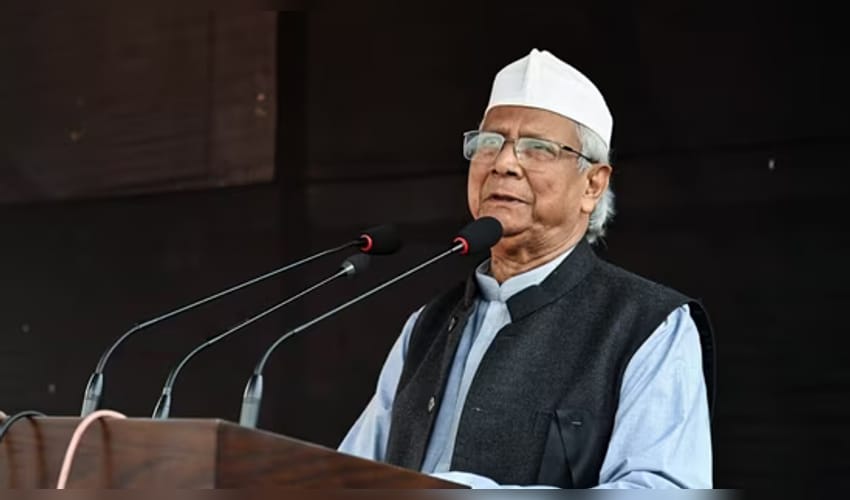

Bangladesh’s reported move to seek a US tariff reduction under a discreet or “secret” understanding with Washington has sparked criticism over transparency, accountability and Dhaka’s increasingly opaque trade diplomacy, especially as it follows a high-profile trade and strategic breakthrough secured by India.
According to sources familiar with the matter, Bangladeshi officials have quietly approached US counterparts to negotiate tariff concessions, attempting to capitalise on shifting American trade priorities in South Asia. Critics argue that the lack of public disclosure and parliamentary debate surrounding the initiative raises serious questions about democratic oversight and economic governance.
The timing of the outreach coming soon after India’s successful trade and supply-chain gains with the US has also exposed Bangladesh’s reactive approach to global trade. Analysts say Dhaka appears to be scrambling to secure concessions rather than pursuing a coherent, long-term strategy to enhance competitiveness and market access.
“This looks less like strategic diplomacy and more like damage control,” said a regional trade expert. “Bangladesh is trying to ride on India’s momentum instead of building its own negotiating leverage.”
Opacity and Risk to Domestic Industry
Critics within Bangladesh warn that negotiating tariff cuts behind closed doors could have unintended consequences for domestic industries, particularly small and medium manufacturers who may face increased competition without adequate safeguards. They argue that trade concessions negotiated in secrecy risk prioritising short-term export gains over long-term industrial resilience.
There are also concerns that Dhaka’s reliance on preferential access rather than structural reforms such as improving labour standards, diversifying exports and upgrading manufacturing capacity could leave the economy vulnerable once external conditions change.
Strategic Dependency Concerns
Bangladesh’s move has reignited debate over its growing dependency on external trade favours rather than domestic reform. While the country has made gains in export growth, critics say its economic diplomacy remains overly transactional and dependent on geopolitical shifts beyond its control. By contrast, India’s recent success with Washington is widely seen as the result of sustained engagement, regulatory reforms and strategic alignment, highlighting the gap between proactive and reactive trade policies in the region.
Calls for Accountability
Opposition figures and economists in Bangladesh have called on the government to clarify the terms, scope and implications of any tariff-related understanding with the US. They argue that trade negotiations affecting millions of workers and exporters cannot be conducted without transparency or public scrutiny. As Bangladesh prepares for key economic transitions, including changes in its global trade status, the reported “secret deal” has intensified concerns that short-term manoeuvring may be taking precedence over sustainable, rules-based economic planning.
If confirmed, the quiet tariff push risks reinforcing perceptions that Bangladesh’s trade policy is driven more by urgency and opacity than by strategic vision — a pattern critics say could undermine long-term economic credibility.
This image is taken from Hindustan times.



