



Economy
ADB has launched a financing facility linking minerals to manufacturing to strengthen Asia's critical mineral supply chains.
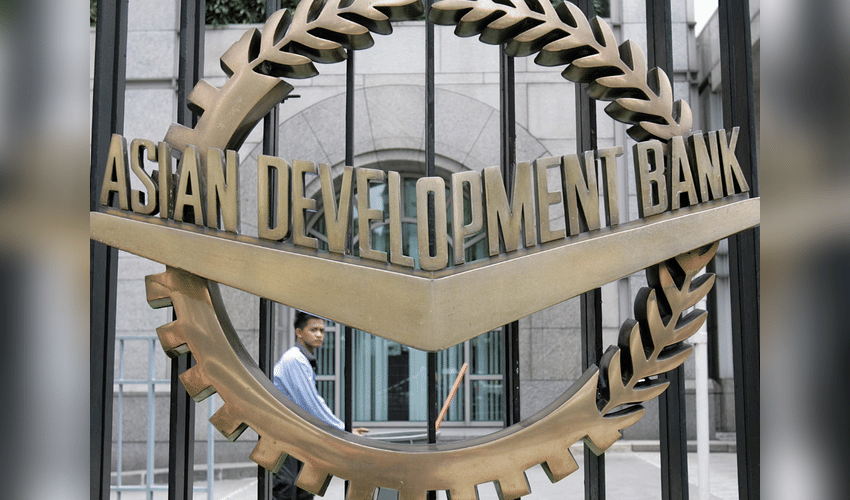

The Asian Development Bank (ADB) has launched a new financing initiative called the Critical Minerals-to-Manufacturing Financing Partnership Facility to strengthen critical mineral supply chains across Asia and the Pacific. The program is designed to help developing countries move beyond being just suppliers of raw materials and instead become active players in high-value industries such as mineral processing, recycling, and advanced manufacturing for clean energy technologies, electric vehicles, batteries, and digital systems.
Announced during ADB’s 59th Annual Meeting, the initiative emphasizes project preparation, policy reforms, and the mobilization of both public and private investment. ADB President Masato Kanda highlighted that critical minerals will play a key role in the next phase of global industrial development, stressing that the region should not only supply raw materials but also benefit from jobs, technology transfer, and added economic value.
The facility is structured into two main components. The first is a grant-based window that supports early-stage work, including feasibility studies, environmental assessments, and technical assistance. This window has received USD 20 million from Japan and USD 1.6 million from the United Kingdom.
The second component is a catalytic financing window aimed at attracting co-financing and reducing investment risks through partnerships. In this segment, Korea Eximbank and the Korea Trade Insurance Corporation (K-SURE) have joined as initial partners, each contributing a USD 500 million memorandum of understanding.
This initiative builds on ADB's broader 2025 strategy focused on strengthening regional value chains. The bank is already involved in several projects across Asia, including battery production and recycling efforts in India, mineral mapping in Mongolia, AI-based mining solutions in Uzbekistan, and critical minerals policy development in countries like Kazakhstan and the Philippines.
To support better coordination, ADB has also developed a Critical Minerals Database to improve transparency and tracking across supply chains. All projects under the facility will follow strict environmental and social safeguards, including detailed due diligence and impact assessments. The program aims to support the growing demand for clean energy technologies while promoting sustainable industrial growth, economic diversification, and job creation across the region.



