



News
Abducted Polio Workers Recovered in Pakistan: A Deeper Crisis Beneath the Surface
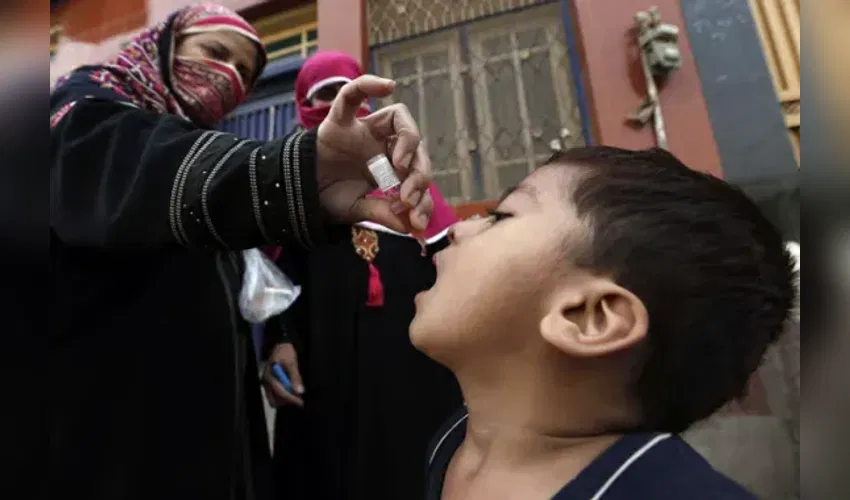

Three polio workers who were abducted by militants on Wednesday have been safely recovered through coordinated efforts by the police and local jirga elders. While authorities have presented the rescue as a success, the incident once again exposes the persistent security failures surrounding public health campaigns in Pakistan.
The workers, part of Pakistan’s ongoing polio eradication drive, were reportedly kidnapped in a militant-affected region. Their safe return was made possible not just by law enforcement but also by intervention from local tribal elders, highlighting the state’s continued reliance on informal structures to resolve critical security situations.
Attacks and abductions of polio workers are not new in Pakistan. For years, vaccination teams have operated under constant threat from militant groups who view these campaigns with suspicion or hostility. Despite repeated assurances from authorities, the safety of frontline health workers remains fragile. The latest incident underscores a troubling reality: even life-saving initiatives like polio vaccination cannot be conducted without risk, raising serious concerns about the government’s ability to secure its most vulnerable workers.
The role of local jirga elders in securing the workers’ release points to a parallel power structure that often operates alongside formal governance. While their involvement can be effective in crisis situations, it also highlights gaps in the state’s authority and reach. Critics argue that dependence on such mechanisms reflects a lack of institutional strength, where law enforcement alone is insufficient to handle militant threats.
Pakistan remains one of the few countries where Polio is still endemic. Incidents like these not only endanger workers but also disrupt vaccination drives, potentially reversing progress made over the years. Fear among health workers can lead to reduced participation in campaigns, while communities in high-risk areas may be left unvaccinated, increasing the risk of outbreaks.
The successful recovery of the abducted workers is undoubtedly a relief, but it should not overshadow the systemic issues that allowed the kidnapping to occur in the first place. Security lapses, intelligence failures, and the continued presence of militant groups all point to deeper governance challenges.
The safe return of the polio workers offers a momentary sense of relief, but it also serves as a stark reminder of Pakistan’s ongoing struggle to ensure security and stability. Until the root causes of such incidents are addressed, the country’s fight against polio and its broader battle against militancy will remain uncertain.
Disclaimer : This image is taken from Al Jazeera.