



Politics
88 Minutes at the PMO: A Detailed Account of Rahul Gandhi's Meeting with PM Modi
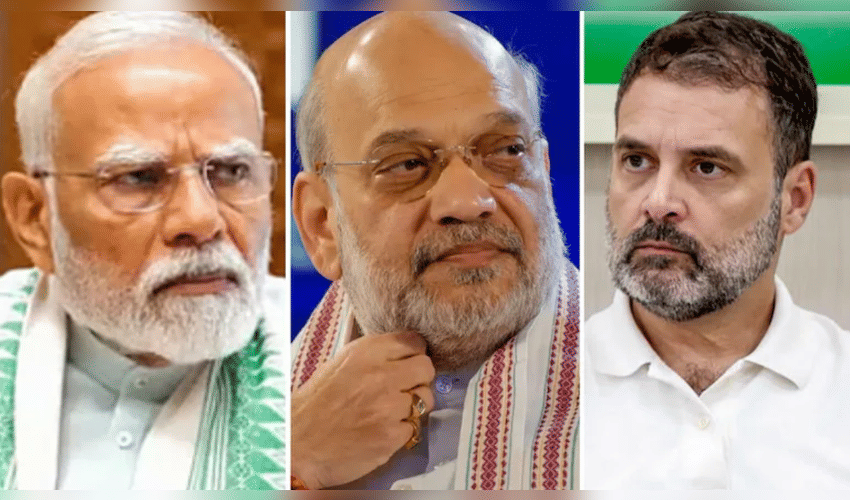

In a rare display of cross-party dialogue amid the Winter Session of Parliament, Congress leader and Leader of the Opposition Rahul Gandhi held an extended 88-minute meeting with Prime Minister Narendra Modi and Home Minister Amit Shah at the Prime Minister's Office on December 9. What began as a scheduled discussion on routine administrative matters quickly evolved into a pointed debate on transparency and representation in India's top oversight bodies, sources familiar with the talks revealed.
The session, which started promptly at 1:07 PM in the PM's chamber, far exceeded its anticipated brevity, fueling speculation across Parliament corridors about deeper national concerns. Gandhi arrived around 1 PM and departed after the clock hit 88 minutes, leaving lawmakers and aides exchanging notes on the unusually lengthy huddle. This comes at a time when opposition voices have amplified calls for institutional reforms.
At the heart of the discussion were urgent vacancies in the Central Information Commission (CIC), including the Chief Information Commissioner post vacant since Hiralal Samariya's retirement in September, alongside eight Information Commissioners and a Vigilance Commissioner. Gandhi submitted a detailed dissent note challenging all proposed candidates, citing opaque selection processes and severe underrepresentation of key communities. He highlighted how Dalits, OBCs, Adivasis, and minorities—forming nearly 90% of India's population—held less than 7% of Dalit applicants in the shortlist, urging caste-wise data disclosure for fairness.
Government sources indicated the PM and Shah listened intently, promising to review these inputs seriously amid the CIC's crippling backlog of over 30,000 RTI appeals handled by just two commissioners. Gandhi's intervention underscores his sharpened focus as LoP, shifting from legislative skirmishes to pushing for inclusive governance in watchdogs vital to public accountability under the RTI Act. Political observers see this as a potential thaw in adversarial ties, with announcements on appointments possibly imminent. As the CIC grapples with delays impacting citizens' right to information, the outcome could set precedents for equitable selections in New Delhi's high-stakes bureaucracy.



