



World
57 Dead as Nearly 60,000 Migrants Cross From Morocco Into Spain's Ceuta in Massive Border Crisis
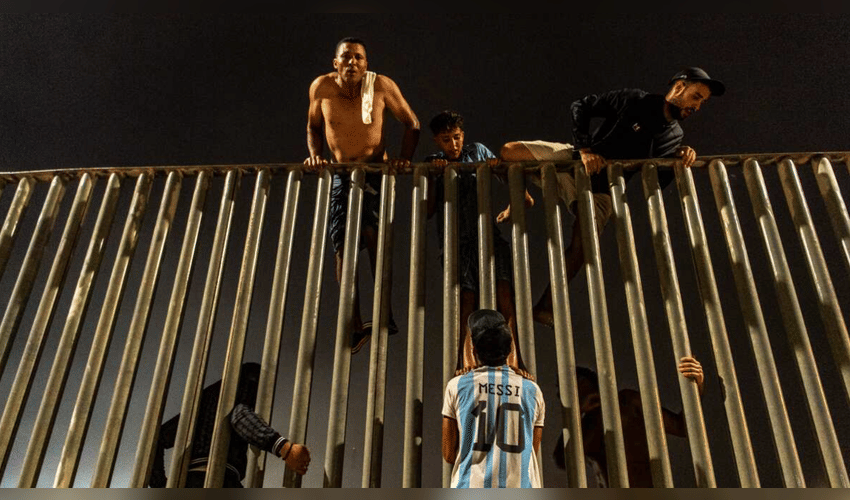

At least 57 people have died after nearly 60,000 migrants crossed from Morocco into Spain's North African enclave of Ceuta, triggering one of the largest migration crises Europe has witnessed in recent years. The unprecedented influx overwhelmed local authorities, prompting Spain to tighten security while rescue teams continued search operations along the coastline. Spanish officials said thousands of migrants entered Ceuta by land and sea within a short period, with many attempting the dangerous journey by swimming around border barriers. The sudden surge placed immense pressure on emergency services and border security personnel deployed across the enclave.
Prime Minister Pedro Sánchez described the situation as an extraordinary challenge, stating that Spain would take all necessary measures to restore order and secure its external border. Authorities blamed criminal human smuggling networks for encouraging vulnerable migrants to undertake the risky crossing by spreading false promises about easy access to Europe.
The tragedy has claimed at least 57 lives, with many migrants believed to have drowned while attempting to reach Spanish territory through rough coastal waters. Rescue teams have continued recovery operations, and officials warned that the death toll could increase as searches continue. Ceuta, located on Morocco's Mediterranean coast, is one of two Spanish enclaves in North Africa and represents the European Union's only land border with Africa. Its strategic location has long made it a focal point for irregular migration into Europe.
Following the mass crossing, Spanish security forces reinforced border controls and established temporary reception facilities to manage the large number of arrivals. Government officials later said that thousands of migrants had voluntarily returned to Morocco, easing some of the immediate pressure on the enclave.
The latest developments have renewed concerns across Europe over illegal migration, border management, and the growing influence of human trafficking networks. European leaders are closely monitoring the situation as Spain works with Moroccan authorities to prevent further crossings and stabilize the border.
The incident has also revived debate over the European Union's migration policies, with experts arguing that stronger international cooperation is needed to address the root causes driving people to undertake dangerous journeys. Economic hardship, conflict, and limited opportunities in several African countries continue to fuel migration towards Europe despite increasingly strict border controls.
Ceuta has experienced similar migration surges in the past, most notably in 2021, but the scale of the current influx is significantly larger. The latest crisis is expected to remain a key issue in discussions between Spain, Morocco, and the European Union as authorities seek long-term solutions to irregular migration while addressing the humanitarian challenges created by the mass movement of people.



