



News
1951 Tibet Agreement Still Fuels Debate Over China's Rule And Broken Promises
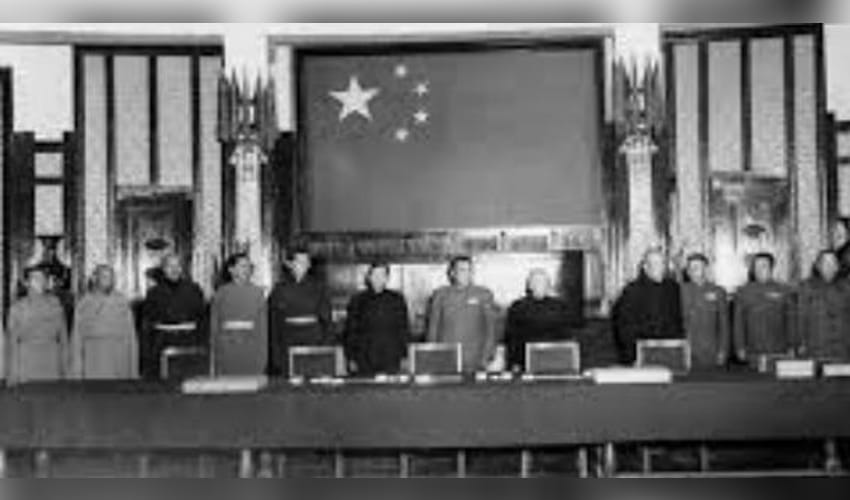

More than seven decades after it was signed, the 1951 “Agreement on Measures for the Peaceful Liberation of Tibet,” commonly known as the 17-Point Agreement, continues to remain one of the most controversial political documents in modern Asian history. The agreement laid the foundation for China’s control over Tibet, while Tibetans in exile continue to argue that it was signed under military pressure and never genuinely reflected the will of the Tibetan people.
The agreement was signed on May 23, 1951, between representatives of the newly established People’s Republic of China and delegates from the Tibetan government in Beijing. China described the pact as a “peaceful liberation” of Tibet and a step toward national unity after the Communist victory in the Chinese Civil War.
The 17-point document stated that Tibet would return to what Beijing called the “big family” of the People’s Republic of China while being granted regional autonomy, protection of religious freedom and preservation of the Dalai Lama’s authority. The agreement also promised that Tibet’s existing political system and religious institutions would remain unchanged.
One of the central provisions required the Tibetan government to assist the People’s Liberation Army in entering Tibet and consolidating China’s national defence. In return, the Chinese government pledged not to impose reforms by force and promised gradual changes through consultation with Tibetan authorities.
However, Tibetan groups and many historians argue that the agreement was effectively signed under coercion after Chinese military forces entered eastern Tibet in 1950. Critics claim the Tibetan delegation had limited negotiating power and lacked the authority to independently decide Tibet’s political future.
The Dalai Lama later rejected the agreement after fleeing Tibet during the 1959 uprising against Chinese rule. Tibetan exile organisations maintain that the promises made under the agreement including autonomy, religious freedom and protection of Tibetan identity — were gradually eroded as Beijing tightened political and military control over the region.
China, however, continues to defend the agreement as a lawful and historic document that ended what it describes as imperialist influence in Tibet and integrated the region into modern China. Chinese state narratives argue that the agreement paved the way for infrastructure development, economic growth and social reforms in Tibet.
The original agreement also contained provisions regarding the preservation of monasteries, protection of Tibetan customs and respect for the authority of both the Dalai Lama and Panchen Lama. Critics say many of these assurances were later undermined through political campaigns, restrictions on religious practice and tighter Communist Party oversight.
Today, the 17-Point Agreement remains central to the broader dispute over Tibet’s political status. While Beijing portrays it as evidence of Tibet’s peaceful reunification with China, Tibetan activists and rights groups continue to view it as the beginning of Chinese occupation and loss of Tibetan self-rule.



